Standard Cleaning Schedule
Every 2 Weeks (Recommended Standard)
-
Alkaline cleaning to remove yeast, sugar, protein, and biofilm
-
Required by most breweries to maintain warranty and beer quality
-
Follows Brewers Association guidelines
-
Prevents off-flavors and foaming issues
This is the schedule most bars, restaurants, and breweries follow.
Every 6 Months
-
Acid cleaning (every six months)
-
Removes beer stone (calcium oxalate buildup)
-
Prevents long-term restriction and contamination
Alkaline = routine cleaning
Acid = deep mineral removal
When to Clean More Frequently
You may need weekly cleaning if:
-
You serve high-volume draft
-
You have long draw systems (50ft+)
-
You sell hazy IPAs or unfiltered beers
-
You notice off flavors, foaming, or slow pours
⚠️ Why It Matters
Dirty lines cause:
-
Sour, buttery, or vinegary flavors
-
Excess foam
-
Slow pours
-
Wasted beer
-
Lost revenue
A 3/8" beer line holds about 0.75 oz per foot, on long systems, that waste adds up quickly if cleaning isn’t done properly.
How to clean
To maintain your beer lines effectively, the specific equipment you need depends on whether you have a home kegerator or a commercial long-draw system. However, every standard maintenance setup requires a few core components to remove "beer stone" (calcium oxalate), yeast, and bacteria.
1. Essential Cleaning Hardware
These tools deliver cleaning solutions through your lines.
-
Cleaning Vessel: * Hand-Pump Bottle: Most common for home use; it uses manual pressure to push solution through the lines.
-
Pressurized Cleaning Keg: A small canister (often 5 to 15 liters) that connects to your existing CO2 system to flush lines like a standard keg.
-
Electric Recirculating Pump: Used in commercial settings to circulate cleaner at high velocity for a deeper clean.
-
-
Faucet Wrench: A specialized spanner used to remove the beer faucet from the shank without scratching the finish.
-
Faucet & Coupler Brushes: Small nylon brushes designed to scrub the internal parts of the faucet and the keg coupler.
-
Check Ball Lifter: A small tool used to keep the check valve in the coupler open, allowing cleaning fluid to flow through without removing the coupler from the line.
2. Specialized Chemicals
You cannot use standard dish soap; you need chemicals specifically formulated for draft systems.
-
Alkaline/Caustic Cleaner: (e.g., BLC Beer Line Cleaner) The primary cleaner used to dissolve organic matter and proteins.
-
Acid Cleaner: Used every 4 to 5 cleanings to remove "beer stone" and mineral deposits that alkaline cleaners might miss.
Industry Standard
Alkaline (caustic) cleaner on the regular cycle, acid cleaner periodically for beerstone, these are exactly the two chemical types the Brewers Association's Draught Beer Quality Manual calls for in draft line cleaning.
Read the cleaning chemicals section of the Draught Beer Quality Manual (free PDF) →
3. Comparison of Cleaning Methods
| Feature | Hand-Pump Kit | Pressurized Bottle | Recirculating Pump |
| Best For | Kegerators / Home use | Small bars / Serious hobbyists | Commercial / Long-draw systems |
| Power Source | Manual pumping | CO2 Tank | Electric Outlet |
| Effort Level | Moderate | Low | Low |
| Efficiency | Static (soak only) | Static (soak only) | Dynamic (constant friction) |
Pro-Tips for Maintenance
-
Frequency: You should clean your lines every 2 weeks or every time you switch kegs.
-
Rinsing: Always flush your lines with fresh water after using chemicals (even when using a specific "no-rinse" powder) and before reconnecting your beer.
-
Temperature: Use warm water (approx. 110°F) for mixing solutions; water that is too hot can damage some vinyl tubing.
Follow this step-by-step guide using a standard Hand-Pump Cleaning Kit to keep your beer tasting fresh.
Phase 1: Preparation
-
Untap the Keg: Pull the handle of your keg coupler and remove it from the keg.
-
Mix the Solution: Fill your cleaning jar with warm water (around 110°F) and add the recommended amount of BLC Beer Line Cleaner. Warning: Always add chemical to water, not water to chemical, to avoid splashing.
-
Remove the Faucet: Use your faucet wrench to unscrew the faucet from the tower shank.
Phase 2: The Cleaning Flush
-
Connect the Pump: Screw the cleaning kit connector onto the tower shank where the faucet was.
-
Set up a Bucket: Place the end of your beer line (the coupler end) into a bucket to catch the waste.
Note: Use a check ball lifter to keep the coupler open so the fluid can flow through freely.
-
Pump and Soak: Pump the solution through the lines until you see the blue or green cleaner coming out of the other end. Let it sit (static soak) for 15 minutes. This is when the caustic cleaner breaks down the proteins and yeast.
-
Scrub Parts: While the lines soak, disassemble your faucet and place the parts in a small bowl of cleaning solution. Use your nylon brushes to scrub the internal paths.
Phase 3: Rinsing and Reassembly
-
Flush with Water: Empty the cleaning jar, rinse it thoroughly, and fill it with clean, cold water. Pump at least two liters through the lines to ensure all chemicals are removed.
-
Check for Residue: If the water coming out still feels slippery or looks tinted, keep rinsing.
-
Reassemble: Dry your faucet parts, put the faucet back together, and reattach it to the shank using your wrench.
-
Sanitize (Optional but Recommended): Run a quick cycle of Star San or a similar no-rinse sanitizer through the system for maximum shelf-life.
-
Re-tap: Connect your coupler back to the keg. Pour about 4 to 6 ounces of beer and discard it to ensure any remaining water is out of the line.
Maintenance Schedule
| Frequency | Task |
| Every 2 Weeks | Full alkaline flush and faucet scrub. |
| Every 6 Months | Use an Acid Cleaner to remove beer stone. |
| Annually | Inspect vinyl lines for staining or brittleness; replace if necessary. |
How to Clean Beer Lines: The Complete Guide for Bars & Restaurants
Clean beer lines are the foundation of exceptional draft beer service. Whether you're managing a neighborhood bar, a high-volume sports establishment, or a craft brewery taproom, the quality of your draft beer depends on the cleanliness of your dispensing system. This comprehensive guide covers everything you need to know about beer line cleaning, from understanding why it matters to mastering the most effective cleaning methods.
Why Beer Line Cleaning Matters
Every time you pour a beer, residual yeast, hop particles, and proteins remain inside your draft lines. Over time, these organic materials create an ideal environment for bacterial and mold growth. Additionally, beer stone, a mineral-based sediment composed of calcium oxalate and other compounds, accumulates on the interior walls of your beer lines, keg couplers, and faucets.
The consequences of neglecting beer line cleaning extend far beyond hygiene concerns. Contamination in your lines produces off-flavors that mask the carefully balanced taste profile your brewery or distributor intended. Customers notice stale, sour, or musty notes in their beer and question its quality. Bacterial buildup can also cause excessive foaming, where your pours yield mostly head with minimal liquid beer, frustrating customers and reducing your profitability.
Mold and yeast growth create unpleasant aromas that customers detect the moment a beer is poured. These aroma issues are particularly problematic for establishments that pride themselves on quality and service. Finally, the combination of bacterial deposits and beer stone restricts the flow of CO2 through your lines, affecting carbonation levels and resulting in flat or under-carbonated beer.
Beer line cleaning is not optional, it's a critical operational requirement that directly impacts product quality, customer satisfaction, and your establishment's reputation.
How Often Should You Clean Beer Lines?
The frequency of beer line cleaning depends on your cleaning method and the specific contaminants you're targeting:
| Cleaning Type | Frequency | Purpose | Solution Type |
|---|---|---|---|
| Caustic Cleaning | Every 2 weeks or with each keg change | Removes bacteria, yeast, and organic buildup | Alkaline-based cleaning solution |
| Acid Cleaning | Every 6 months | Dissolves beer stone and mineral deposits | Acid-based cleaning solution |
| Faucet & Coupler Cleaning | Weekly or more frequently | Removes bacteria hiding in crevices and threads | Caustic or acid solution |
Establishing a consistent cleaning schedule prevents contamination from taking hold. Many successful operations implement a caustic cleaning every two weeks and schedule acid cleaning every six months on a rotating basis, ensuring that the same lines aren't overexposed to acid on consecutive rotations.
The Benefits of Regular Cleaning
When you maintain a rigorous beer line cleaning schedule, the benefits become immediately apparent. Your draft beer tastes noticeably better, with crisp flavors and the intended balance of hops, malt, and other characteristics fully intact. Carbonation levels remain consistent and appropriate for each style of beer, resulting in the proper head retention that customers expect from quality establishments.
Beyond taste, regular cleaning extends the lifespan of your equipment. Beer stone and mineral deposits are abrasive and corrosive, gradually damaging your lines, couplers, and faucets. By cleaning regularly with acid-based solutions every six months, you prevent this damage and reduce replacement costs over time.
Method 1: Hand Pump Cleaning Kit
The hand pump cleaning kit is the most accessible and cost-effective method for small to medium-sized establishments. This manual approach gives you complete control over the cleaning process and requires minimal equipment.
Tools and Materials Needed:
- Rubber or latex gloves (wear throughout the process)
- Safety glasses (protect eyes from cleaning chemicals)
- Cleaning jar with hand pump mechanism
- Beer line cleaning solution (caustic or acid-based)
- Spanner wrench (for disconnecting couplers)
- Washers and gaskets (replacements for worn components)
- Bucket for collecting discharge water
Step-by-Step Hand Pump Cleaning Process
Shut Down the System
Turn off the CO2 supply to your keg system at the tank. Locate the coupler on your beer keg and carefully remove it using your spanner wrench. Place the coupler in a bucket to collect any drips. This prevents pressurized beer from spraying when you disconnect.
Prepare Your Cleaning Solution
Fill your cleaning jar approximately three-quarters full with warm water (not hot, as excessive heat can damage seals). Add the appropriate amount of beer line cleaning solution according to manufacturer instructions. Caustic cleaners are typically used for regular maintenance, while acid cleaners are reserved for every-six-months deep cleaning.
Connect and Begin Pumping
Attach the jar to the beer line at the tap shank connection point. Begin pumping the hand pump mechanism, forcing the cleaning solution through the beer lines. You should see the solution flowing through the draft faucet into your collection bucket.
Pump Half the Solution Through
Continue pumping until approximately half of your cleaning solution has been pushed through the system. This ensures thorough penetration of the cleaning agent throughout the beer lines, from the shank all the way to the coupler connection point.
Let the Solution Soak
Disconnect the jar and let the remaining cleaning solution sit inside the beer lines for 5 to 10 minutes. This soaking time allows the chemical agents to break down bacterial biofilm, yeast deposits, and beer stone. For heavily contaminated lines, you may extend the soaking period to 15 minutes.
Flush with Clean Water
Refill the cleaning jar with fresh, warm water and no cleaning solution. Reconnect it to the tap and pump this clean water through the system until the water runs completely clear with no remaining traces of cleaning solution color or smell. This typically requires 2-3 jars of water.
Reconnect and Test
Reattach your beer keg coupler to the beer line. Turn the CO2 supply back on and allow pressure to build in the system (typically 2-3 minutes). Open the faucet and discard the first pour to remove any residual water from the lines. Your system is now ready for service.
Hand Pump Cleaning Tips
Always wear gloves and safety glasses when handling cleaning chemicals. Work at a comfortable pace, rushing can reduce cleaning effectiveness. If you encounter significant resistance while pumping, stop and troubleshoot before continuing, as excessive force can damage seals and couplers.
Method 2: Pressurized Cleaning Keg
The pressurized cleaning keg method is favored by bars and restaurants that want to minimize manual labor while achieving thorough cleaning results. This approach uses CO2 pressure to distribute cleaning solution throughout your system, ensuring consistent chemical contact with all interior surfaces.
Tools and Materials Needed:
- Rubber or latex gloves and safety glasses
- CO2 tank with coupler fitted
- Pressurized cleaning keg (specially designed for this purpose)
- Beer line cleaning solution (caustic or acid-based)
- Bucket for collecting discharge
- Towels for cleanup
Step-by-Step Pressurized Keg Cleaning Process
Position Your Collection Bucket
Place a bucket directly under your draft faucet to collect the cleaning solution and rinsing water that will be expelled during the cleaning process. Ensure the bucket is large enough to hold at least 3-5 gallons of liquid.
Fill the Cleaning Keg
Pour warm water into the pressurized cleaning keg until it's about three-quarters full. Add the appropriate concentration of beer line cleaning solution according to the manufacturer's instructions. Close the keg securely and ensure all seals are properly seated.
Disconnect and Connect
Turn off the CO2 supply to your regular beer keg. Disconnect the coupler from your current beer keg and immediately connect it to the pressurized cleaning keg. Ensure the connection is tight and secure before proceeding. Turn the CO2 supply back on, which pressurizes the cleaning keg and pushes the solution into your beer lines.
Open the Tap and Observe
Open your draft faucet fully and allow cleaning solution to flow into the bucket for approximately 30 seconds. You'll see the solution start to fill the bucket, this indicates the cleaning agent is now circulating through your entire system. After the initial flow, close the faucet.
Allow Soaking Time
Let the system remain closed and under pressure for 5 to 10 minutes. During this time, the cleaning solution contacts every interior surface of your beer lines, breaking down contaminants and oxidizing mineral deposits. For heavily soiled systems, a 15-minute soak provides better results.
Flush with Clean Water
After soaking, open the faucet again and allow the system to flush. You'll initially see cleaning solution flowing out, continue until the water runs completely clear with no colored tint or chemical smell remaining. For a thorough flush, pass at least 2 liters of clean water through your system.
Relieve Pressure and Disconnect
Turn off the CO2 supply and wait for pressure to dissipate from the cleaning keg (approximately 2-3 minutes). Disconnect the cleaning keg coupler from the beer line. Empty any remaining water from the cleaning keg and rinse the interior thoroughly to remove cleaning solution residue.
Reconnect to Your Regular Keg
Turn the CO2 supply back on and connect your regular beer keg coupler to the line. Allow pressure to build (2-3 minutes), then open the faucet and discard the first pour to remove any remaining water. Your system is ready to serve clean, fresh beer.
Pressurized Cleaning Advantages
This method requires less manual effort than hand pumping and provides more consistent pressure throughout your system. It's ideal for establishments with multiple beer lines, as you can clean all connected lines simultaneously using a single pressurized keg setup.
Method 3: Electric Recirculating Cleaning Pump
For high-volume establishments, breweries, and long-draw draft systems with multiple kegs and taps, an electric recirculating cleaning pump represents the gold standard in beer line maintenance. This automated system creates a continuous loop of cleaning solution, ensuring every millimeter of your beer lines receives thorough chemical treatment.
Electric recirculating pumps are particularly valuable for bars with complex draft systems that include multiple foot of beer line, large coolers, or long draws from a central keg room to remote taps. The continuous circulation ensures that cleaning solution reaches areas that might remain untreated with manual methods, such as low points in the line where sediment naturally accumulates.
While electric recirculating systems require a larger initial investment than hand pumps or pressurized kegs, they significantly reduce labor time and provide superior cleaning results that protect your equipment investment and ensure consistent product quality.
Cleaning Beer Faucets and Couplers
While cleaning the interior of your beer lines is essential, don't overlook the importance of cleaning your draft faucets and keg couplers. These components have crevices and threads where bacteria thrives, and they directly contact every beer that passes through your system.
Faucets and couplers should receive a caustic cleaning at least weekly, and ideally every time you change a keg. Disassemble the faucet according to manufacturer instructions, soak all components in caustic cleaning solution for 10-15 minutes, then scrub crevices with a small brush to remove stubborn deposits. Rinse thoroughly with clean water and inspect for wear before reassembly. Replace gaskets and seals whenever you notice any cracking, degradation, or loss of elasticity.
Creating a Beer Line Cleaning Log
Maintaining documentation of your beer line cleaning schedule is crucial for multi-staff establishments where different team members manage the draft system on different shifts. A cleaning log creates accountability and ensures that no maintenance window is accidentally skipped.
Create a simple log sheet that includes date, time of cleaning, which cleaning method was used, which lines were cleaned, staff member's name, and any observations about system condition or contamination levels. Post this log inside your beer cooler where it's visible to everyone who works with your draft system.
Many forward-thinking establishments take this transparency a step further by displaying the "Last Cleaned" date prominently on their beer menu board or chalkboard. This public transparency demonstrates your commitment to quality and builds customer confidence in your draft beer service. Customers who see that you clean your lines every two weeks appreciate the professionalism and care you invest in their experience.
Safety Precautions When Cleaning Beer Lines
Beer line cleaning chemicals are caustic or acidic and potentially dangerous. Always wear protective equipment including rubber gloves and safety glasses when handling cleaning solutions. Work in well-ventilated areas to avoid inhaling chemical vapors. Never mix different cleaning solutions, as the chemical reaction can produce hazardous gases.
Keep cleaning chemicals away from food preparation areas and ensure they're stored properly in a designated location with clear labeling. Follow all manufacturer safety instructions and wash your hands thoroughly after finishing your cleaning work.
Conclusion: Clean Lines Equal Quality Beer
The quality of your draft beer service depends on maintaining clean, well-maintained beer lines. Whether you choose a hand pump kit for simplicity, a pressurized cleaning keg for efficiency, or an electric recirculating system for comprehensive results, the important thing is establishing a consistent cleaning schedule and following proper procedures every time.
By implementing a biweekly caustic cleaning and every-six-months acid cleaning regimen, you'll eliminate bacterial contamination, remove beer stone deposits, and ensure that every pint of beer you pour tastes exactly as the brewery intended. Your customers will notice the difference, and your equipment will last longer, making proper beer line cleaning a sound investment in your business success.
Ready to Upgrade Your Beer Line Cleaning Equipment?
Wholesale Beer Parts carries a complete selection of beer line cleaning solutions, hand pumps, pressurized kegs, and electric recirculating systems. Whether you're just getting started with beer line maintenance or upgrading your current system, we have the tools and expertise to help you maintain the highest standards of draft beer quality.
Shop Beer Line Cleaning Solutions Browse Cleaning Chemicals View Cleaning Tools & Accessories Explore Faucets & Shanks Shop Keg CouplersWholesale Beer Parts Product Links
Beer Line Cleaning, Complete selection of cleaning equipment and solutions
Cleaning Chemicals, Caustic and acid-based cleaning formulations
Cleaning Tools & Accessories, Hand pumps, brushes, and replacement components
Faucets & Shanks, Quality draft faucets and shank assemblies
Keg Couplers, Reliable couplers and connection hardware
Recommended draft line cleaning products

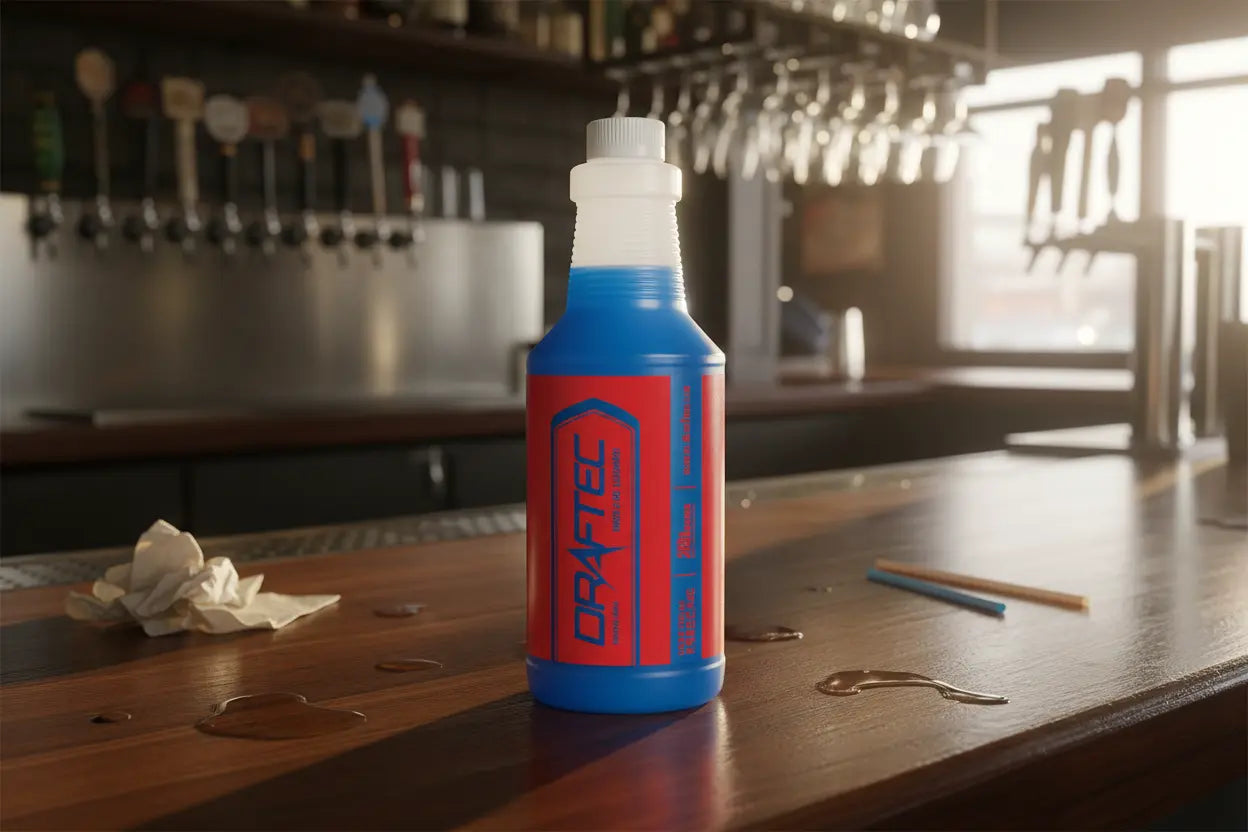
Turns bright blue in solution so you can see when cleaner reaches the faucet and when it has fully flushed out.

Removes beerstone and mineral deposits that alkaline cleaners leave behind. The red dye shows coverage and flush-out.

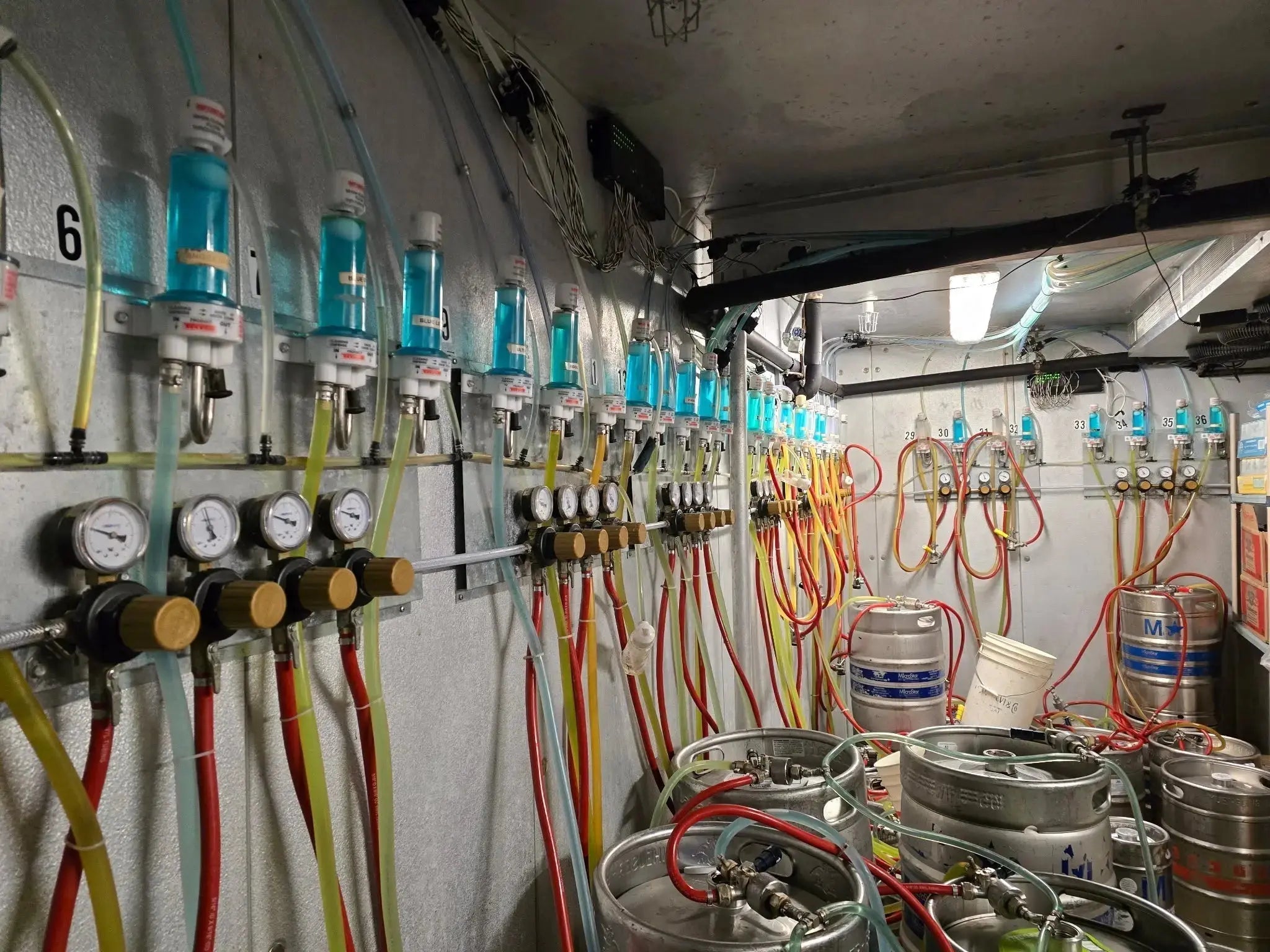
Clean up to four lines at once without pulling couplers. Built for high-volume bars and breweries that cannot afford downtime.

Professional recirculating pump that powers cleaning solution through long draw runs over 300 feet for a thorough, even clean.
Frequently asked questions
How often should I clean my draft beer lines?
At least every two weeks with a caustic cleaner, which is the Brewers Association standard, plus an acid clean every six months to remove beerstone.
What cleaner do I need?
A caustic (alkaline) cleaner for the regular every-2-weeks clean, and an acid cleaner every six months for beerstone. Dye-based cleaners make it easy to confirm a full flush.
Can I clean beer lines with just water?
No. Water alone will not dissolve the yeast, protein, and beerstone that build up inside draft lines. You need a purpose-made line cleaner.
What happens if I do not clean my beer lines?
Buildup of bacteria, mold, and beerstone makes beer taste off, slows pours, increases foaming waste, and over time can ruin the lines so they must be replaced.
Related guides
- How to Clean Beer Lines: A Step-by-Step Guide for Bars
- Why Draft Beer Line Cleaning Is One of the Smartest Investments You Can Make
- Why Clean Beer Lines Matter More Than You Think
- Draft Beer Line Cleaning Regulations: What Bar Owners Need to Know
Stock up on draft line cleaning supplies
Caustic and acid cleaners, multi-head cleaning cans, electric pumps, and the parts to keep every line pouring clean, shipped fast across North America.
Shop cleaning supplies →Expert advice and free technical support on every order.