Sign up for our emails to get 10% off your first order. We'll also keep you updated on new products, exclusive collabs and promos.
By providing your email, you agree to receive recurring automated marketing emails from this shop.
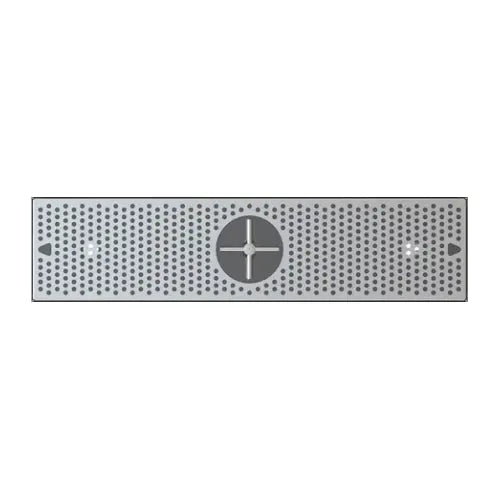
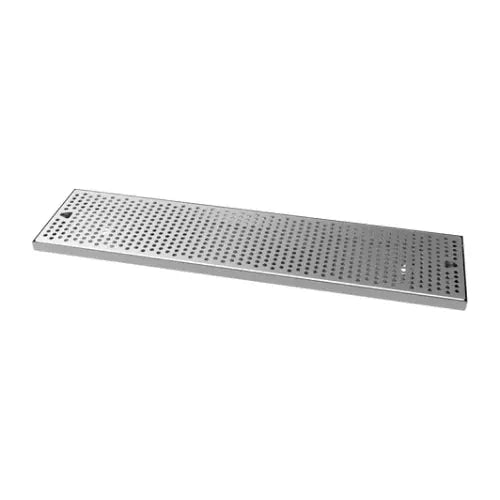
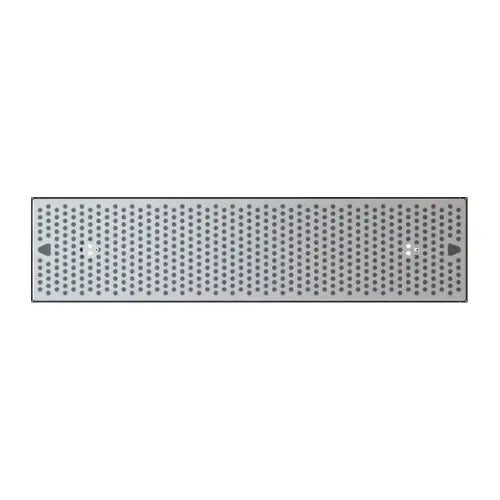
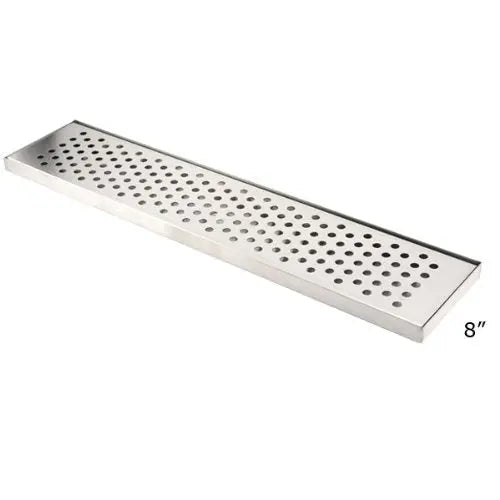
Draft Beer Drip Trays
116 products
Showing 1 - 24 of 116 products
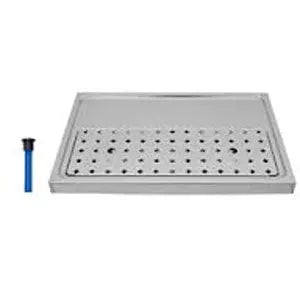
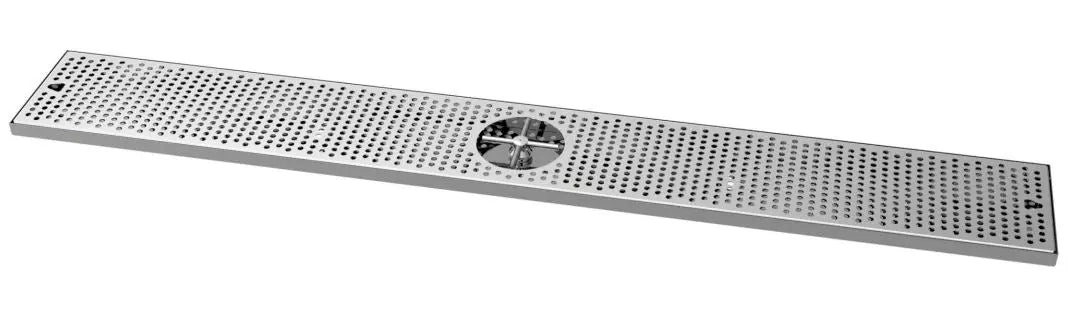
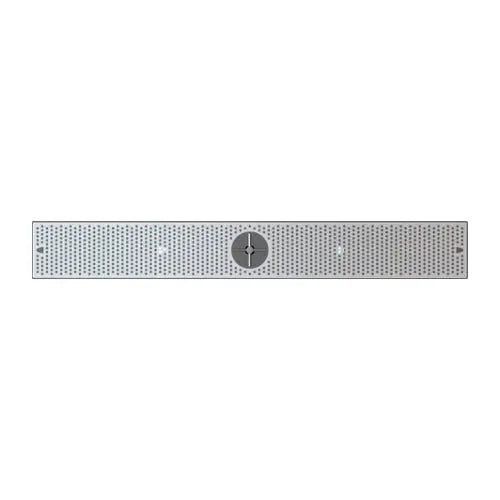
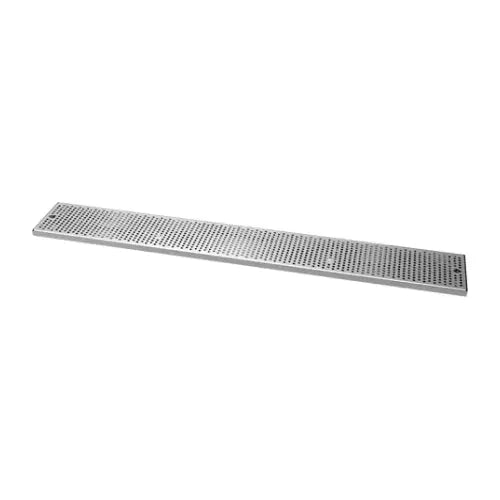
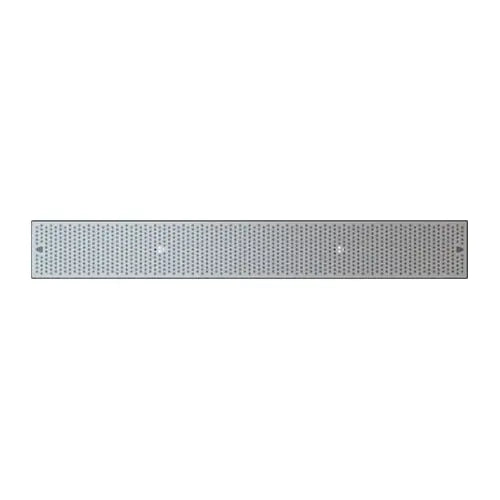
Stainless Steel Drip Trays for Draft Beer Taps
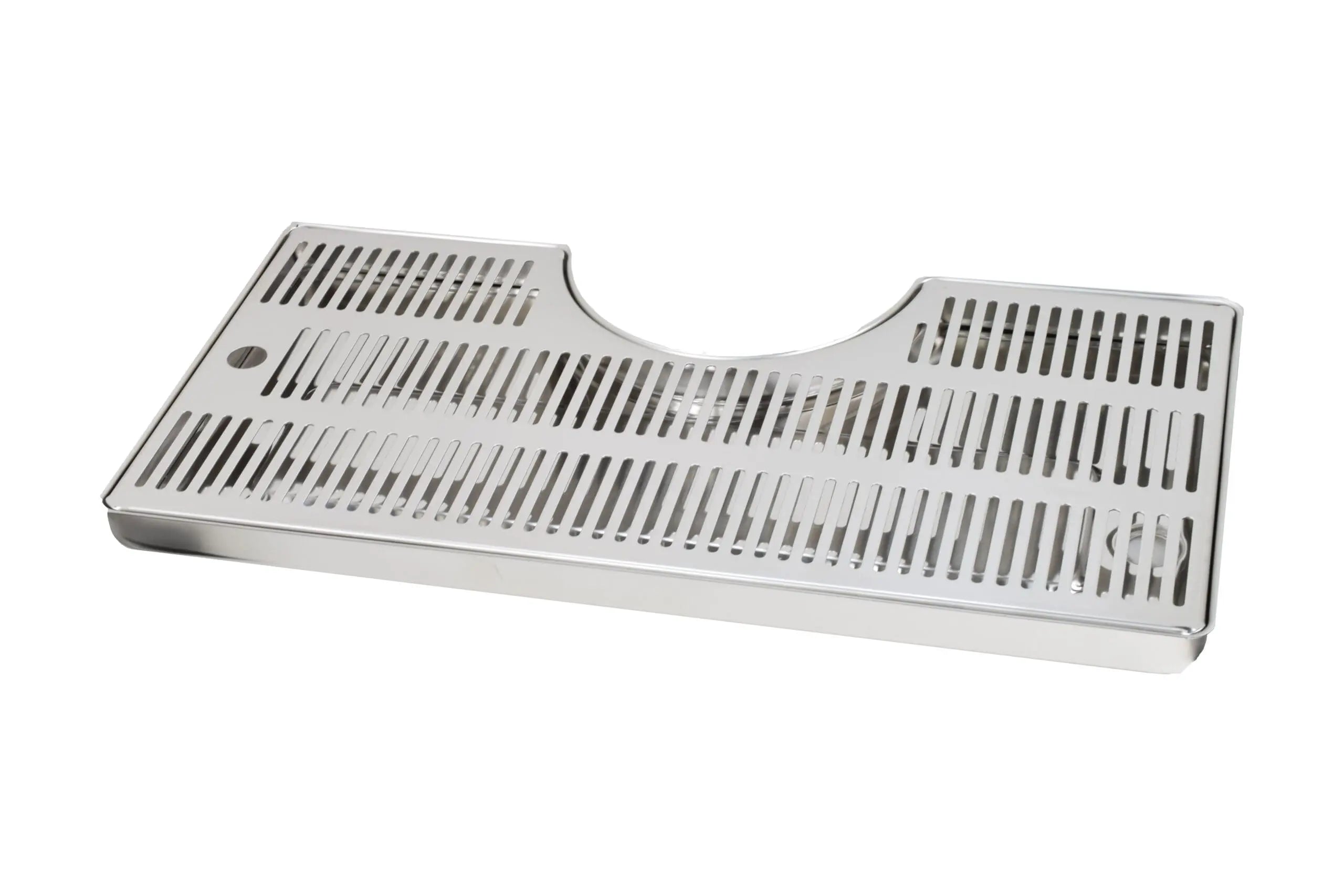
A proper drip tray is the finishing detail that separates a professional bar build from an afterthought. Stainless steel, drain-equipped, and sized for your tap count — ours are built for commercial use and priced for wholesale buyers.
Mount Types
Surface mount — sits on top of the bar or counter; easiest to install; ideal for retrofits and kegerator builds
Recessed / drop-in — flush-mounted into a cutout in the bar top for a clean, built-in look
Wall mount — brackets directly to the wall beneath wall-mounted shanks; ideal for back-bar and walk-in cooler tap setups
Features
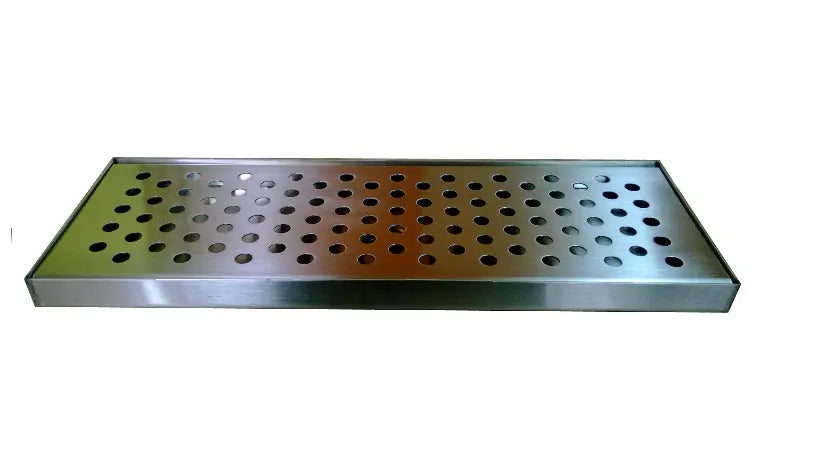
304 stainless steel — corrosion-resistant, easy to clean, NSF-compliant for commercial use
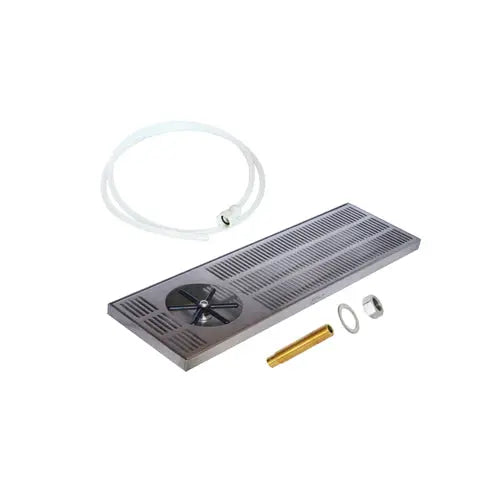
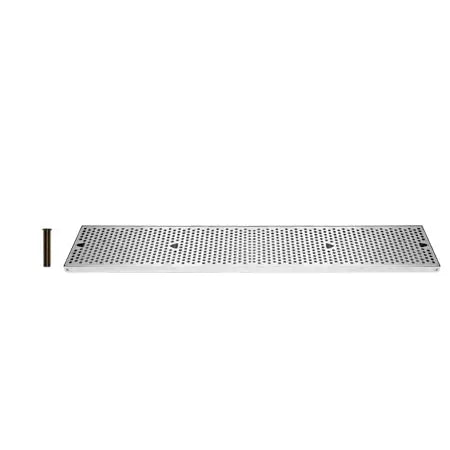
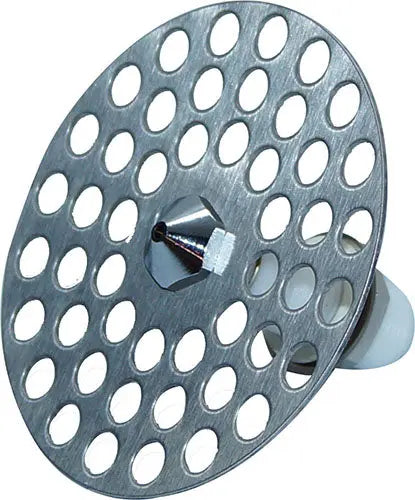
Drain hole included — connects to standard bar waste drain fittings
Multiple widths available — single-tap through high-tap-count configurations
Grate included — keeps glasses out of standing liquid
Sizing Guide
Allow approximately 3–4 inches of tray width per tap as a starting point
Measure your shank spacing before ordering to confirm fit
Custom sizes available for high-tap-count or unusual configurations — contact us
Drip Tray FAQ
Surface mount, recessed, or wall mount — which drip tray do I need?
Surface mount is the easiest retrofit — it sits on top of an existing bar or kegerator with no cutting required. Recessed/drop-in gives a flush, built-in look but needs a cutout in the bar top, so it's best planned during a new build. Wall mount is for towers or shanks mounted directly to a wall, common in back-bar and walk-in cooler setups.
Do I need a drain, or is a no-drain tray fine?
A drained tray connects to your bar's waste line and needs no manual emptying — the right call for any high-volume or daily-use setup. No-drain trays are fine for lower-volume kegerators or setups where running a drain line isn't practical, but someone needs to empty them regularly.
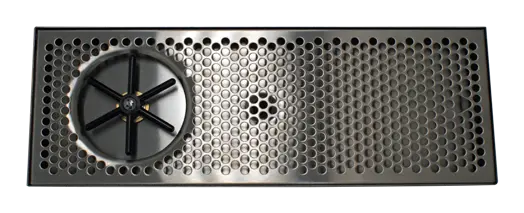
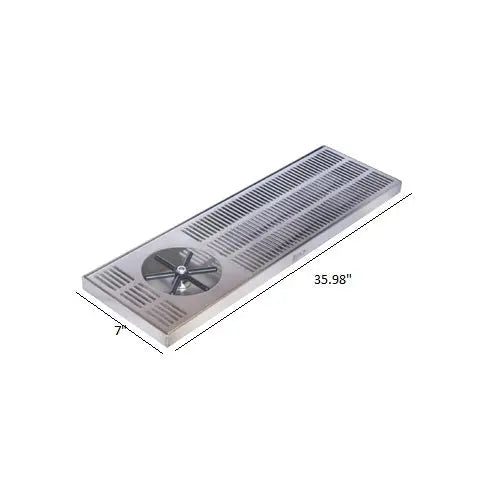
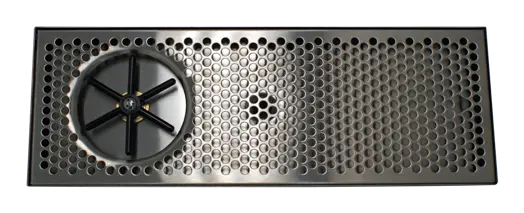
Should I get a drip tray with a built-in glass rinser?
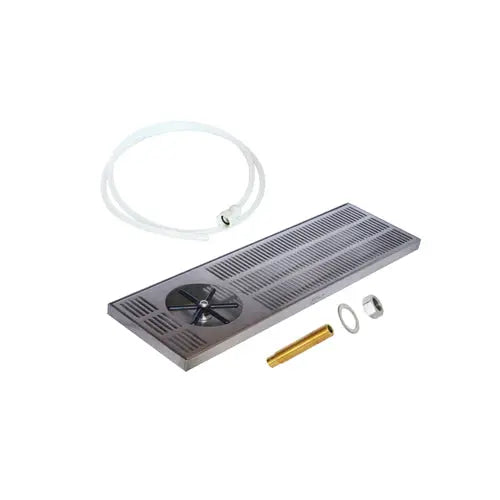
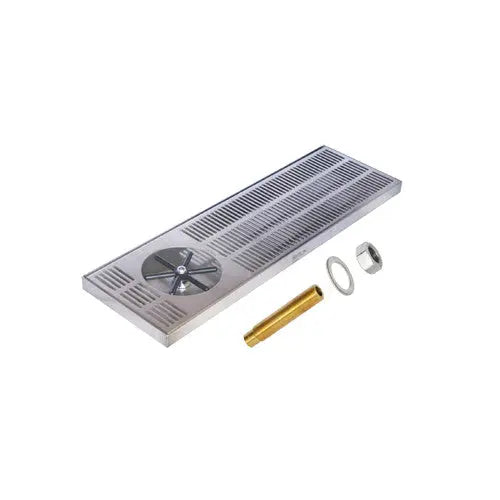
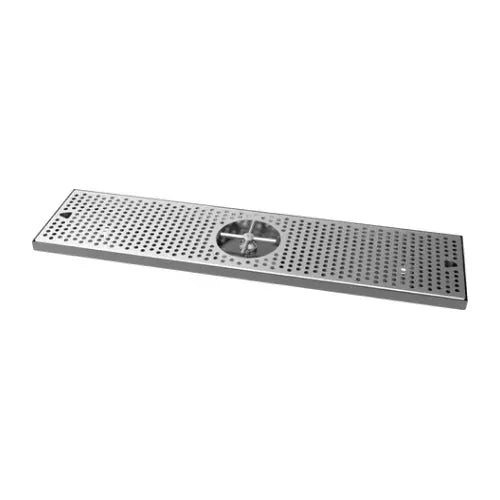
A combined tray-and-rinser saves counter space and a separate installation step, and it's worth it if you're already planning to run a rinser. If you're not sure yet, a standalone tray keeps your options open — you can add a separate rinser later without replacing the tray.
How precisely do I need to measure before ordering?
Measure your actual shank spacing, not just tap count — the 3–4 inches per tap guideline is a starting estimate, and towers with wider or irregular faucet spacing need a wider tray than the guideline suggests. For recessed trays, double-check the cutout dimensions against the tray's actual footprint before cutting the bar top.