Beer Line Cleaning Cans
3 products
Showing 1 - 3 of 3 products
Beer Line Cleaning Cans
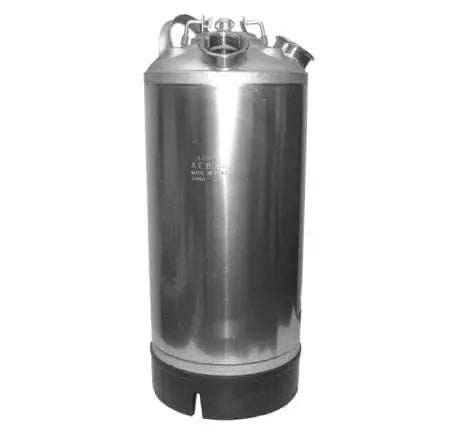
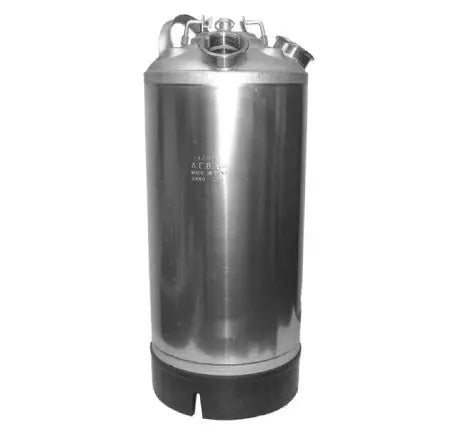
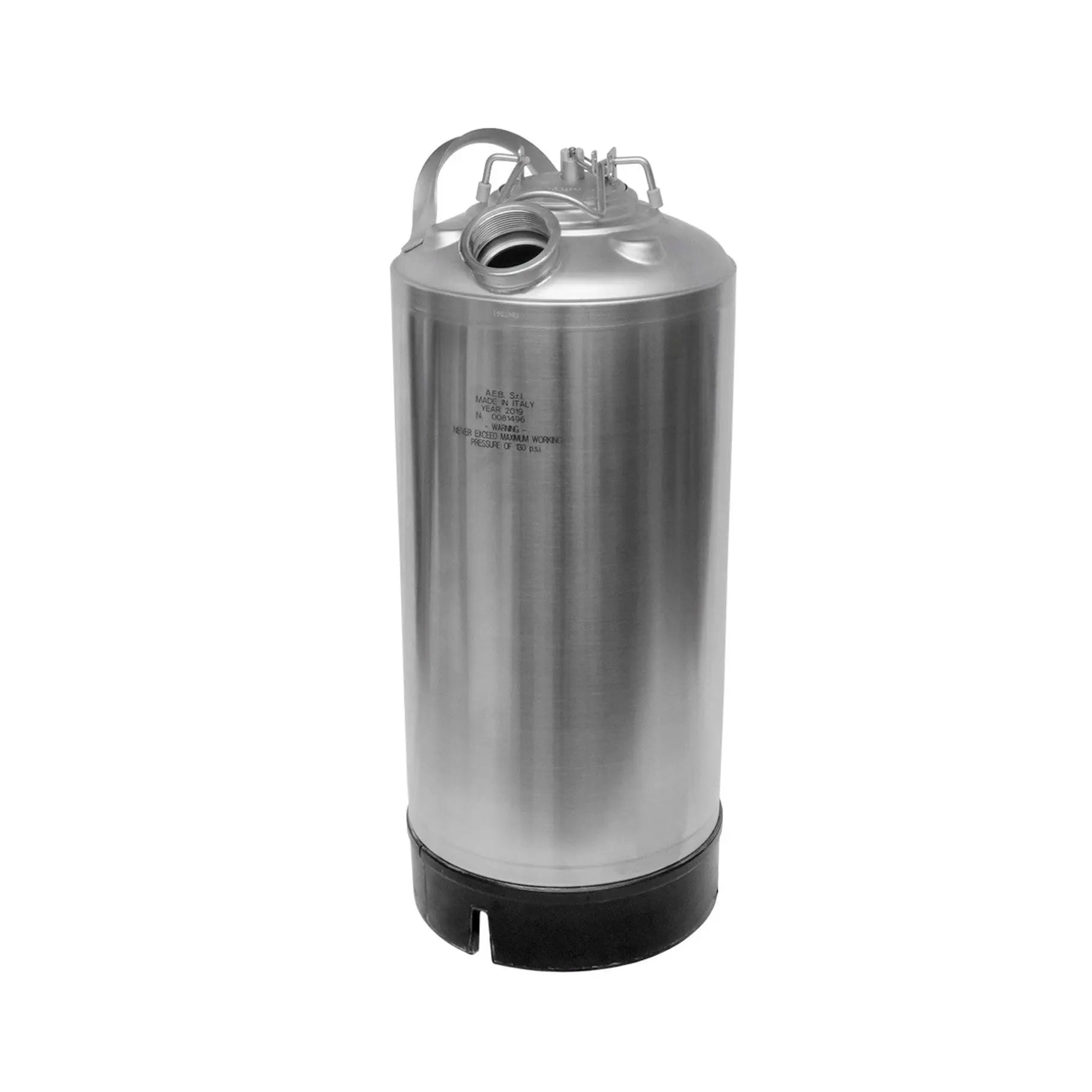
Fixed-head cleaning cans hold cleaning solution and connect to the draft system through the appropriate valve heads. The method used to move solution through the lines depends on the cleaning setup; confirm the can, valve style and flow method before ordering.
Choosing a Cleaning Method
- Recirculating pump (preferred where practical) — an electric recirculating pump keeps cleaning solution moving through the lines for consistent contact. It is the preferred method for commercial draft systems, especially long draw and multi-line installations.
- Cleaning can (fallback) — where a recirculating pump isn't practical, a cleaning can holds the solution for the cleaning cycle. It is less efficient than recirculation because the solution isn't continuously circulated. Follow the cleaning equipment and chemical manufacturers' instructions for your setup.
- Hand-pump jar kits — for direct draw and short-run systems, see our hand-pump cleaning kits.
Caution: The Draught Beer Quality Manual warns against canister designs that inject CO₂ directly into caustic solution because direct CO₂ contact can weaken or neutralize the cleaner. Follow the cleaning-can and chemical manufacturers’ instructions for the compatible pressure source and operating method.
Valve Style and Fit
The heads on these cans are permanently installed and can't be swapped later. Each head must match the coupler style on the line it will clean.
| Valve style | Coupler system | How it's offered here |
|---|---|---|
| D | US Sankey (most common in North America) | 1-head and 4-head D-style cans, or as a head on the 4-head any-style can |
| S | European Sankey | Selectable head on the 4-head any-style can |
| G | Tri-lobe / Grundy | Selectable head on the 4-head any-style can |
| A | German slider | Selectable head on the 4-head any-style can |
| U | Guinness / Irish | Selectable head on the 4-head any-style can |
The 4-head any-style can is a pre-order item: you choose four heads when you order, and that configuration is permanently installed. Not sure which coupler a beer uses? Check our Keg Coupler Guide before you order.
Using Cleaning Solution
- Confirm each valve head matches the coupler on the line you're cleaning
- Mix the cleaner at the dilution and temperature on the product label
- Follow the product label for contact time; there is no universal soak time
- Rinse as the label directs before returning lines to service
- Hand-clean and fully disassemble faucets as part of each 14-day cleaning cycle. Inspect couplers during routine cleaning and follow the applicable maintenance schedule for cleaning and periodic disassembly.
Cleaning Frequency
The Draught Beer Quality Manual recommends a caustic line cleaning at least every 14 days and an acid de-stoning clean approximately every three months. Shop all chemicals, pumps, kits and parts in beer line cleaning supplies, or build a plan with the Draft Beer Line Cleaning Schedule Generator.
Cleaning Can FAQ
How does a cleaning can move solution through the lines?
The can itself is a fixed-head reservoir; the cleaning setup determines how solution moves through the lines. Our 1-head D-style can is listed for gravity-fed or hand-pump cleaning setups. A recirculating pump is preferred where practical, while a pressurized canister is a less-efficient fallback. Avoid designs that inject CO₂ directly into caustic solution, and follow the equipment and chemical manufacturers’ instructions.
When should I use a recirculating pump instead of a cleaning can?
Whenever it's practical. A recirculating pump keeps solution moving for consistent contact and is the preferred method for commercial draft systems, especially long draw and multi-line installations. A cleaning can is a fallback for setups where a pump isn't practical.
Which valve heads do I need on a cleaning can?
Match each head to the coupler on the line it will clean: D for US Sankey, S for European Sankey, G for Grundy, A for German slider, and U for Guinness/Irish systems. Heads are permanently installed. D-style cans are listed in 1-head and 4-head versions; other styles are available as selectable heads on the 4-head any-style pre-order can.
How long should cleaning solution stay in the lines?
There is no universal contact time. Follow the label of the cleaner you're using for dilution, temperature, contact time and rinsing.