Sign up for our emails to get 10% off your first order. We'll also keep you updated on new products, exclusive collabs and promos.
By providing your email, you agree to receive recurring automated marketing emails from this shop.
Beer Glass Rinser
10 products
Showing 1 - 10 of 10 products
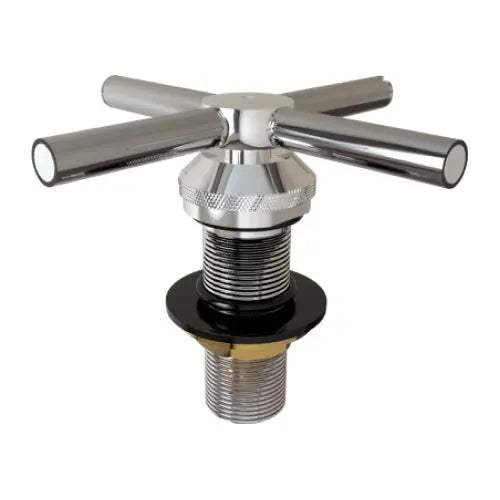
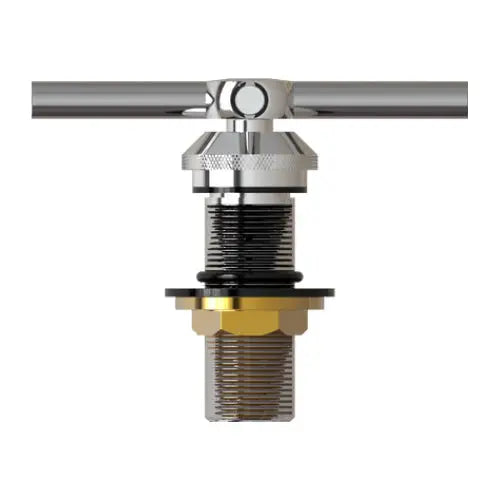
Commercial Beer Glass Rinser
A beer glass rinser sits at the bar rail and rinses each glass with a quick burst of cold water right before pouring — cutting temperature shock, clearing dust and lint, and helping beer hold better foam retention and head. It's standard under-bar equipment in any serious draft program, and one of the cheapest upgrades that visibly improves pour quality.
Mounting Styles
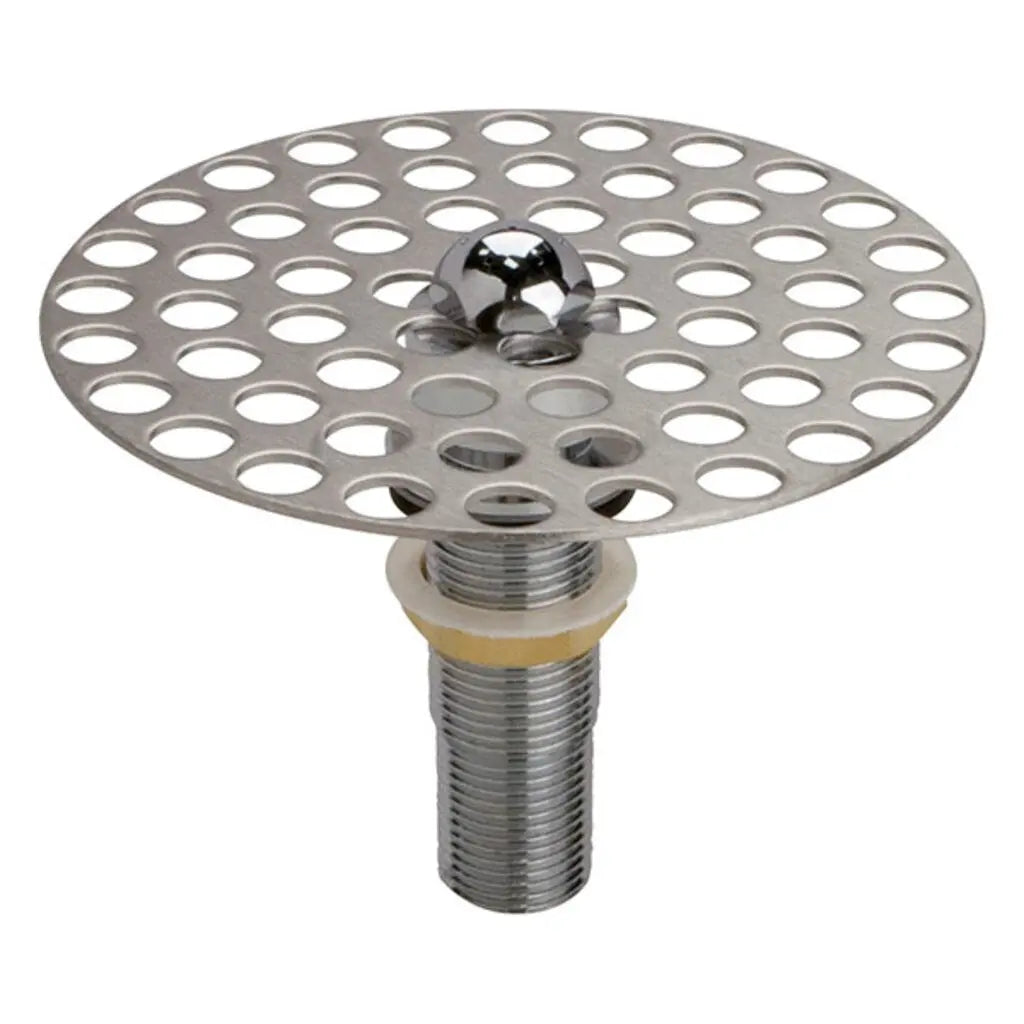
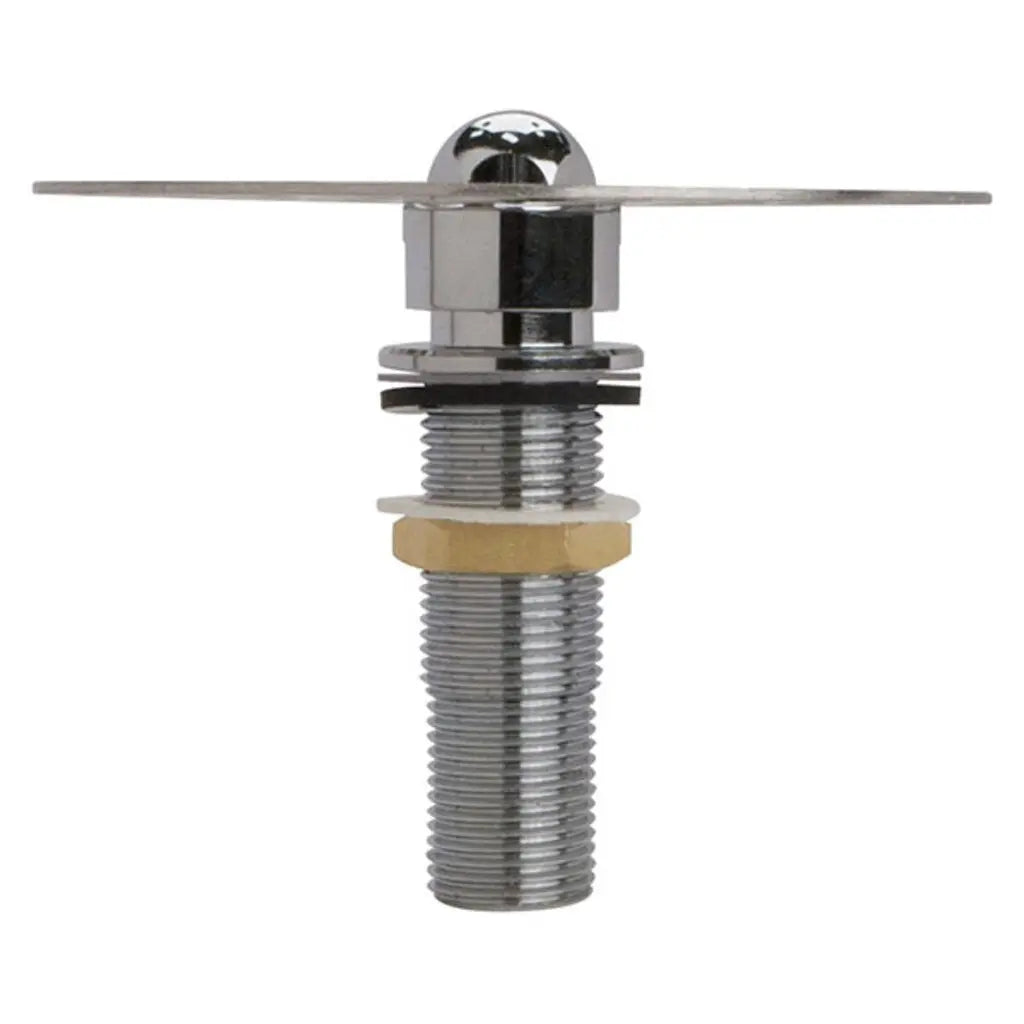
Standalone counter-mount rinsers — mount directly to the bar top; the simplest retrofit for an existing setup
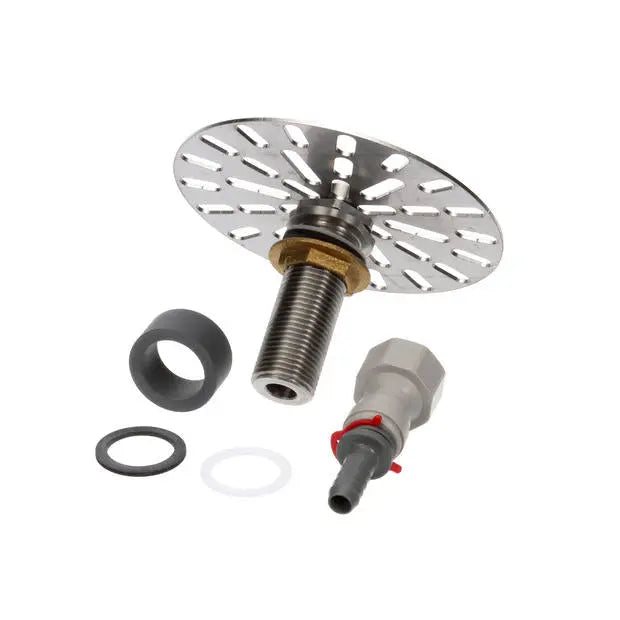
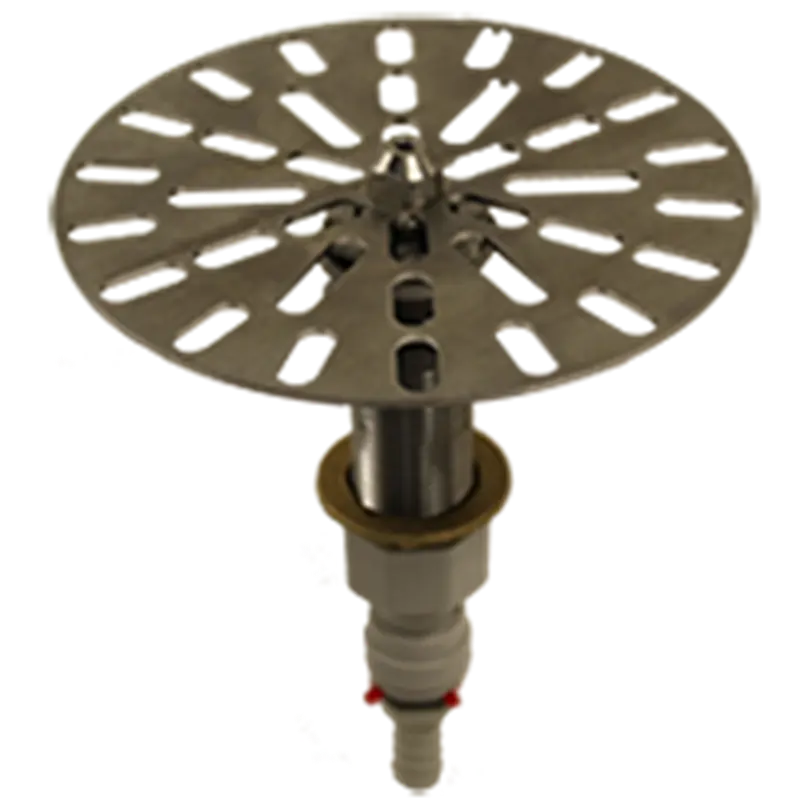
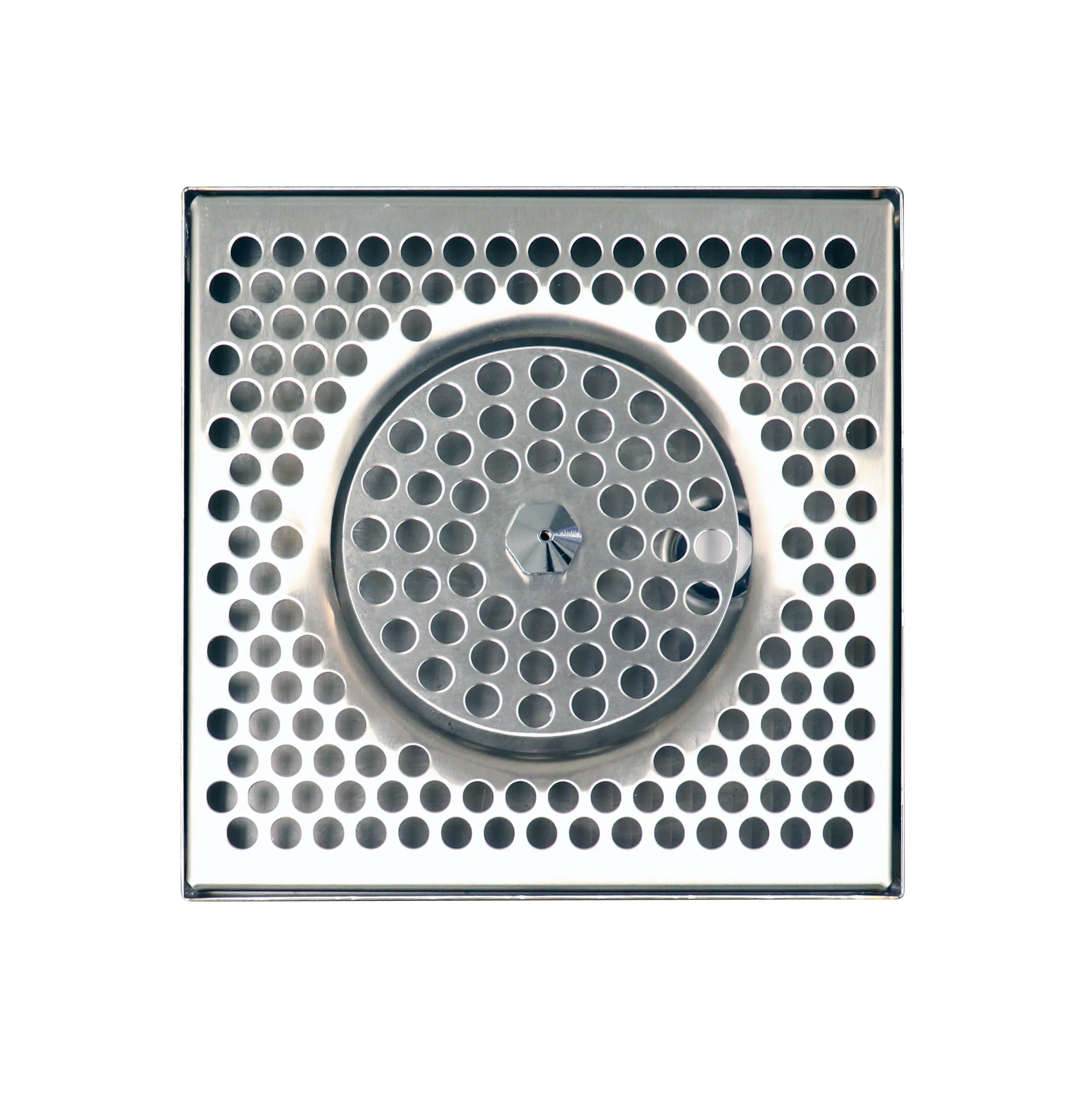
Drip tray with integrated rinser — combines the rinser and drip tray in one footprint, saving counter space on a new build
Spray Arm Materials
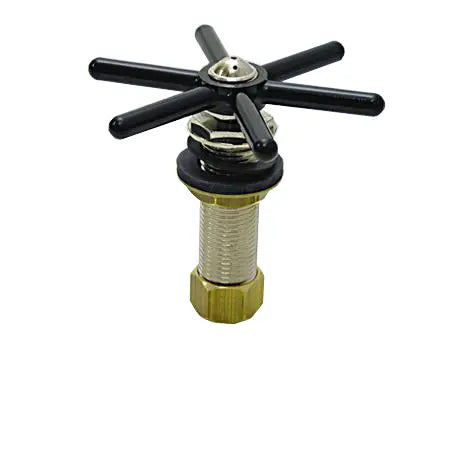
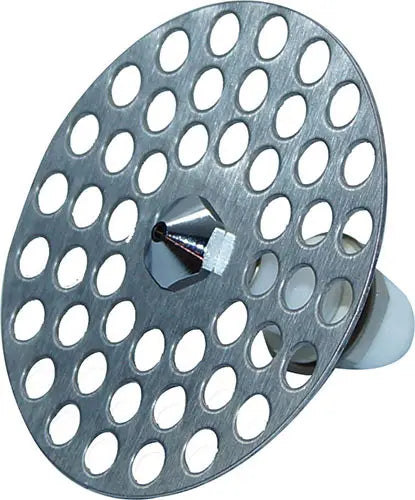
Metal arms — more durable for high-volume commercial use; holds up to years of daily glass contact
Plastic arms — lower cost, fine for lower-volume bars and home setups
Water Supply
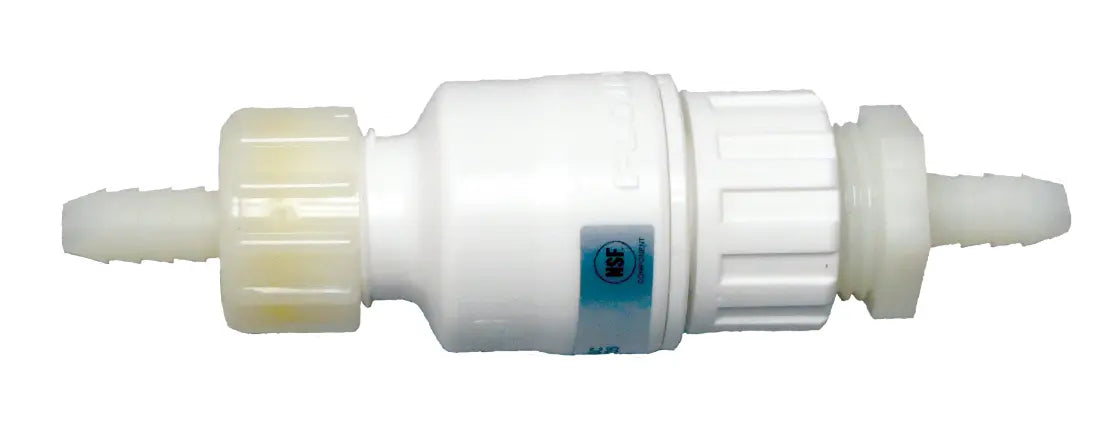
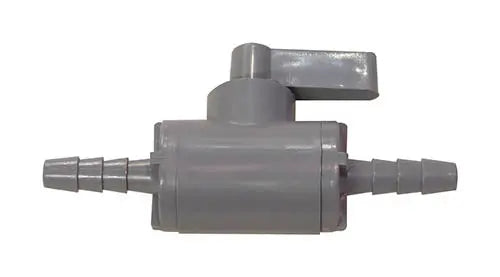
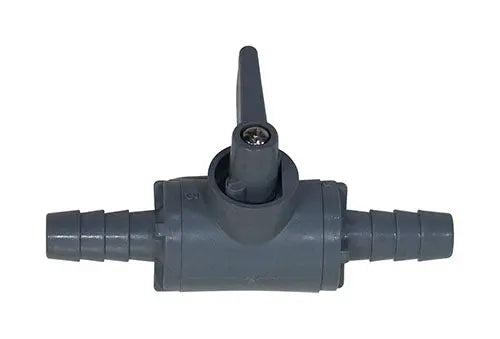
Beer glass rinsers run off your cold water line, and most commercial installs benefit from an in-line water regulator to keep spray pressure consistent — too much pressure splashes, too little won't clear the glass properly. We stock inline water regulators and shut-offs sized for standard rinser plumbing.
Not sure which glass rinser fits your bar? Contact us with your counter space and whether you want a standalone unit or a combined drip-tray rinser — we'll point you to the right setup.
Glass Rinser FAQ
Do I really need a glass rinser, or is it just a nice-to-have?
It's a meaningful quality upgrade, not just decoration. Rinsing removes dust, lint, and detergent residue from a stored glass and pre-chills it, which reduces temperature shock and helps beer hold its head and carbonation better on the pour. Most bars that serve any real volume of draft beer run one.
Do I need a water pressure regulator for my rinser?
If your water line pressure is higher than the rinser's rated spec, yes — an in-line water regulator keeps the spray consistent and prevents splashing or excess water use. If you're not sure of your line pressure, it's cheap insurance to add one during install rather than troubleshoot a splashy rinser later.
Should I get a standalone rinser or a combined drip-tray rinser?
A combined drip-tray rinser is the space-efficient choice for a new build — one footprint does both jobs. If you already have a drip tray installed and just want to add rinsing, a standalone rinser is the simpler retrofit since you won't need to replace what's already there.
Metal or plastic spray arms — does it matter for a busy bar?
For high-volume commercial use, metal arms hold up better over years of constant glass contact and are the safer long-term choice. Plastic arms cost less and are perfectly fine for lower-volume bars, home kegerator setups, or anywhere the rinser isn't getting hit hundreds of times a night.