Sign up for our emails to get 10% off your first order. We'll also keep you updated on new products, exclusive collabs and promos.
By providing your email, you agree to receive recurring automated marketing emails from this shop.
Beer Line Cleaning Supplies
41 products
Showing 1 - 24 of 41 products
Draft Beer Line Cleaning Chemicals, Kits & Equipment
Clean lines are the foundation of quality draft beer. Yeast, protein, hop resins, and beer stone build up inside beer lines, faucets, and couplers within days of use — causing off-flavors, excessive foam, and bacterial contamination that no amount of good beer can overcome. The Brewers Association mandates a minimum 14-day cleaning cycle for all commercial draft systems. We stock everything you need to stay on schedule.
Cleaning Chemicals
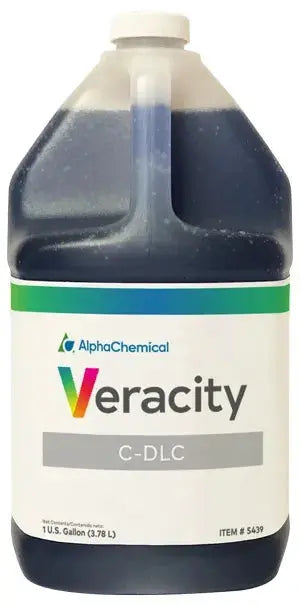
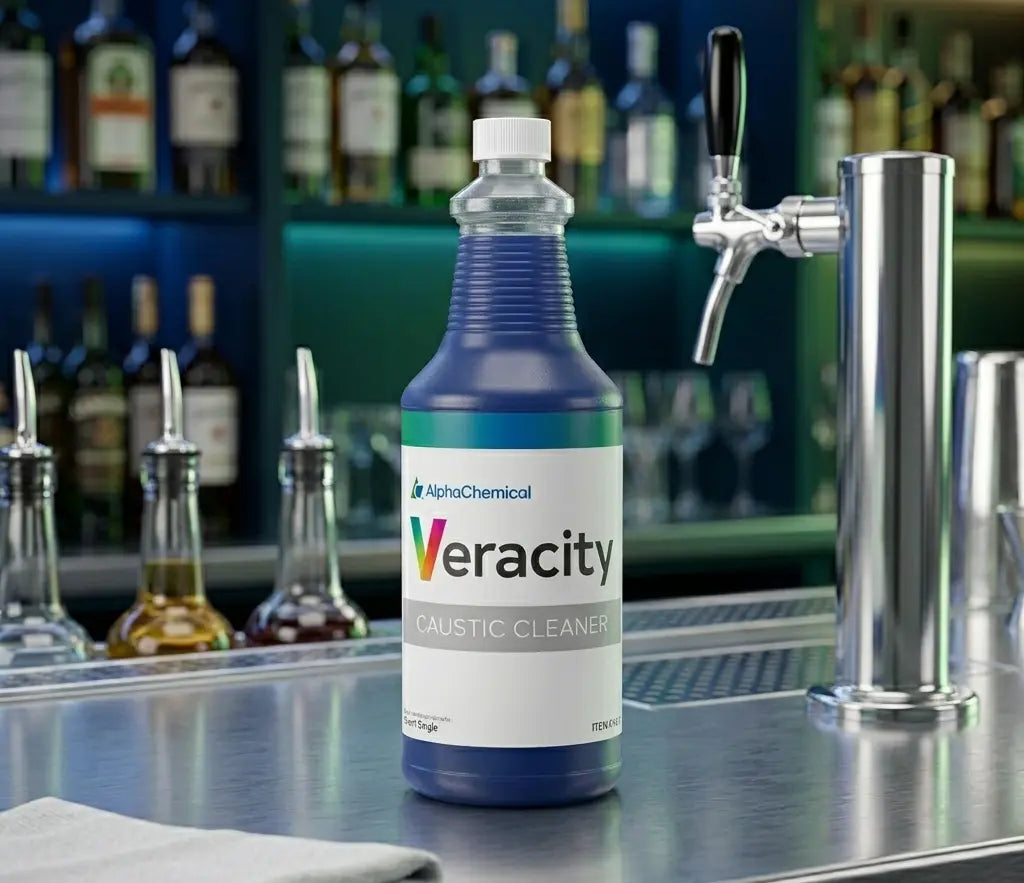
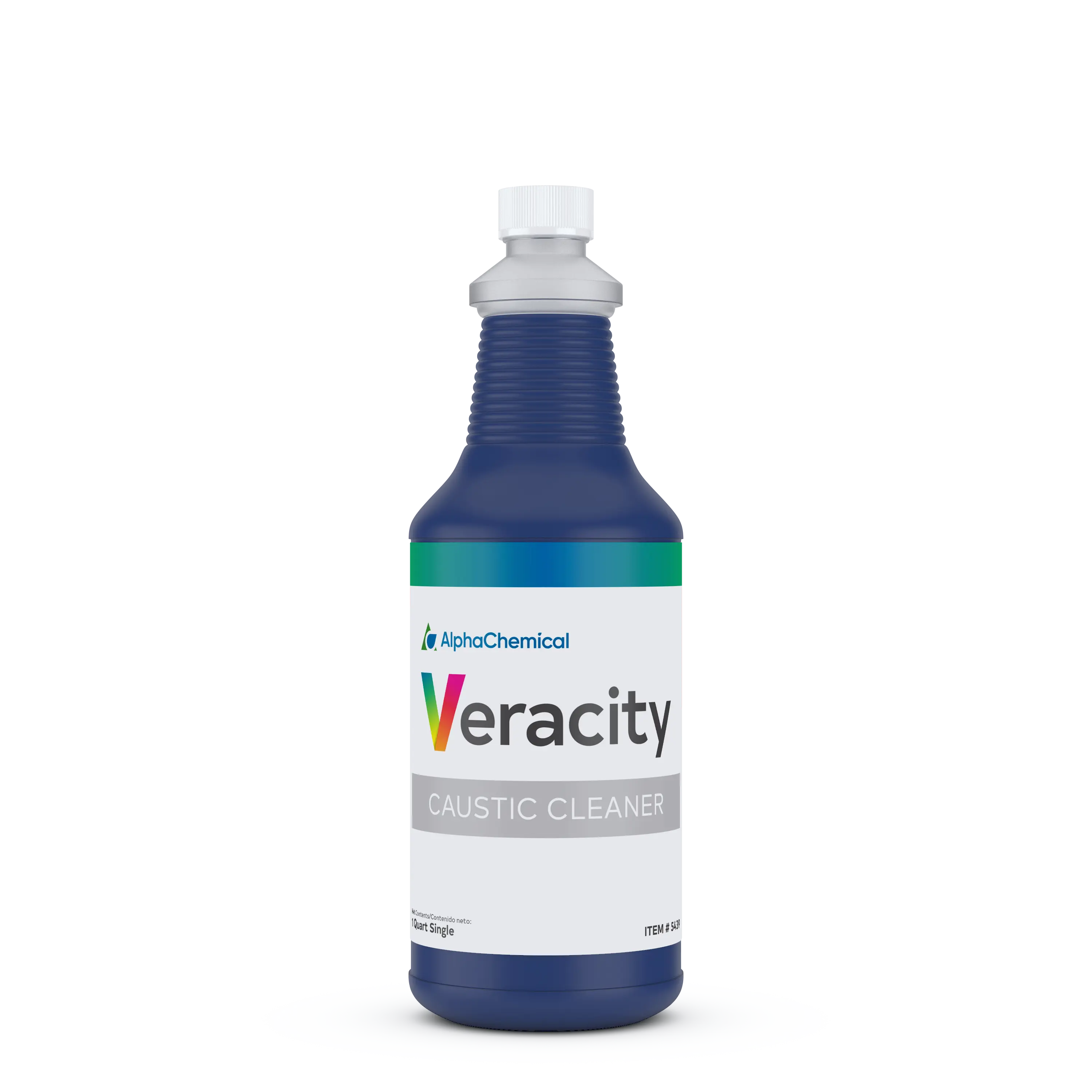
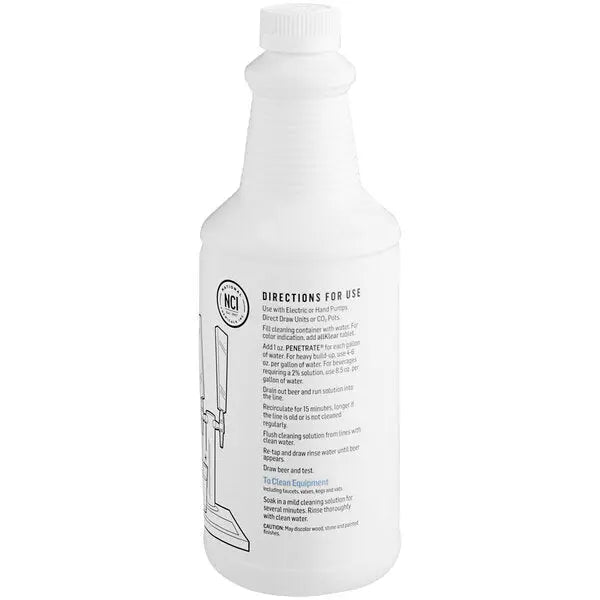
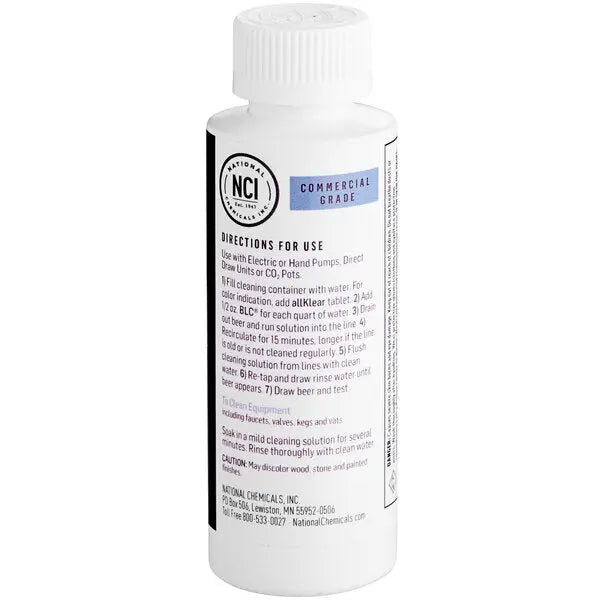
Alkaline (caustic) cleaners — the primary cleaning agent, including Veracity™ C-DLC Heavy-Duty Caustic Cleaner; dissolves organic deposits including yeast, protein, and hop resins; use every two weeks as your standard line cleaner
Acid cleaners — removes beer stone (calcium oxalate) and mineral scale that alkaline cleaners can't touch; use periodically (every 3–6 months) as a supplemental deep clean
Sanitizers — kills residual bacteria after cleaning; used as the final step before returning lines to service
Cleaning Equipment
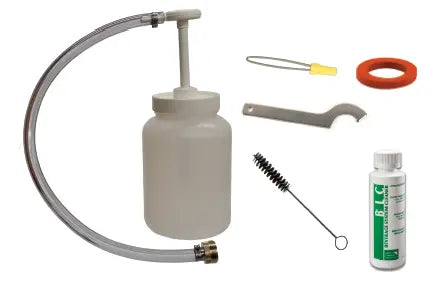
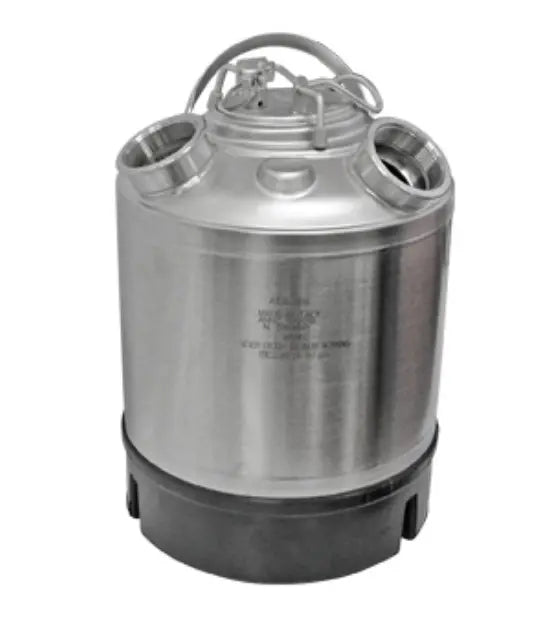
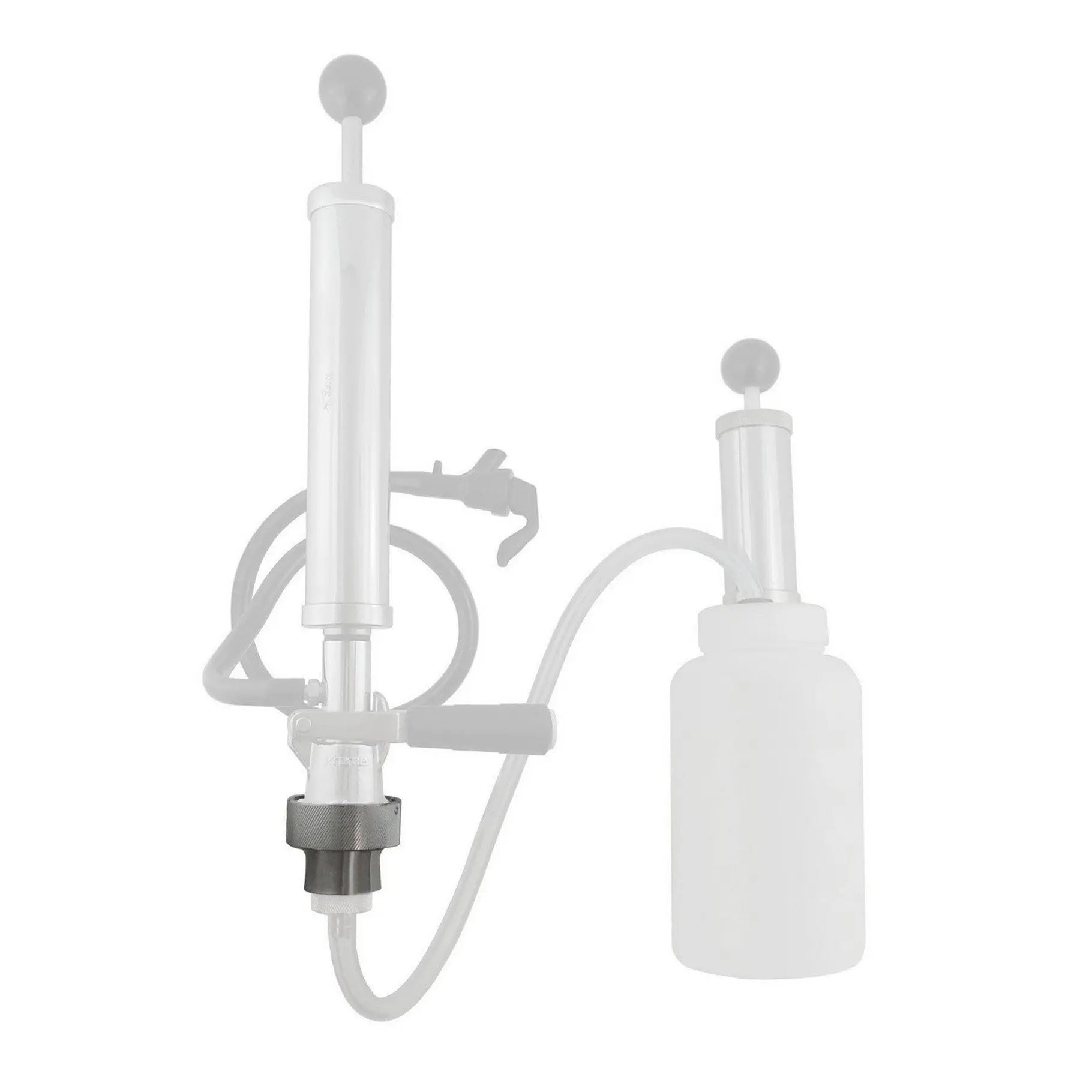
Cleaning cans — hand-pump cans for manual line cleaning; the standard method for direct draw and single-keg systems
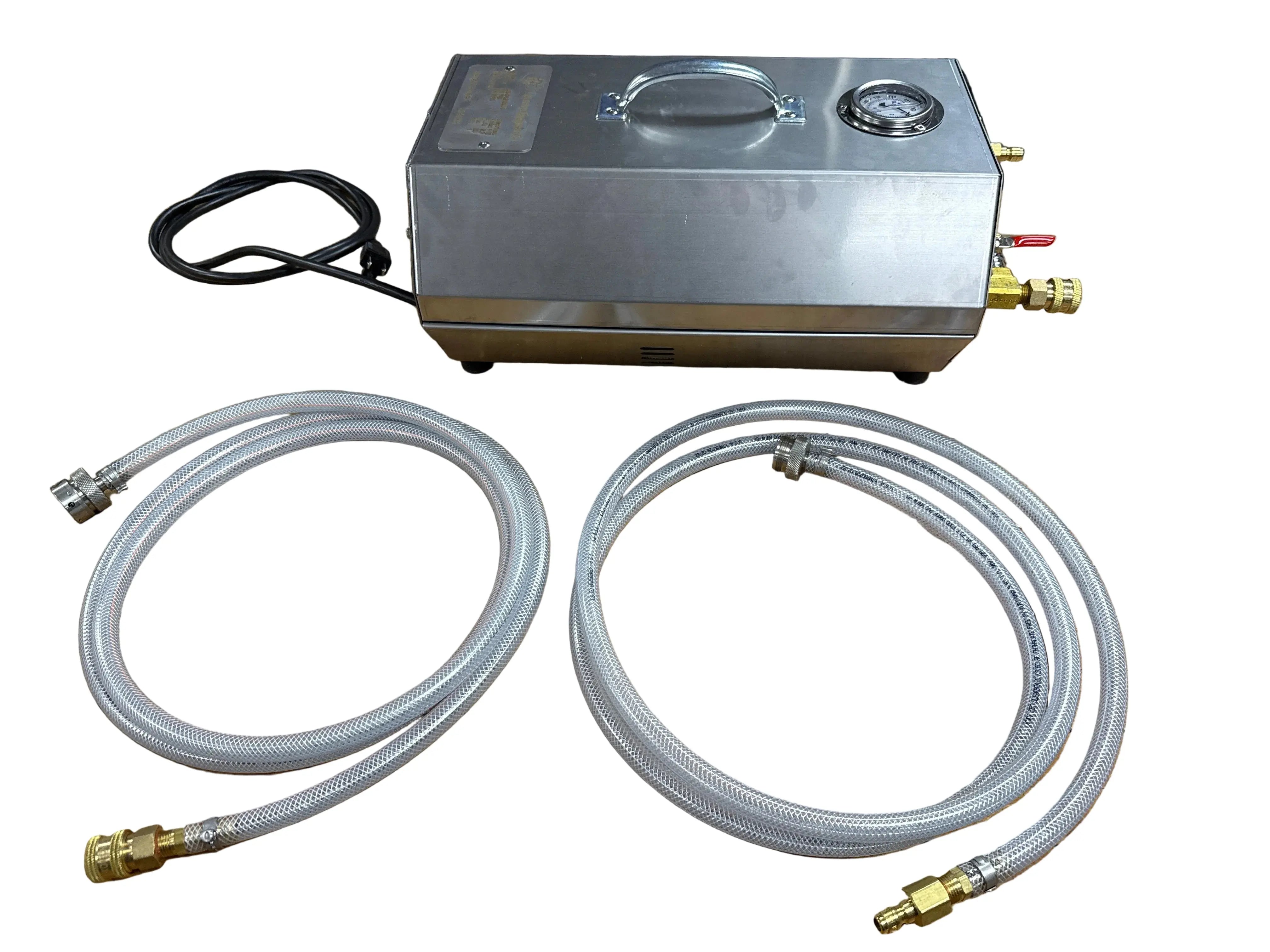
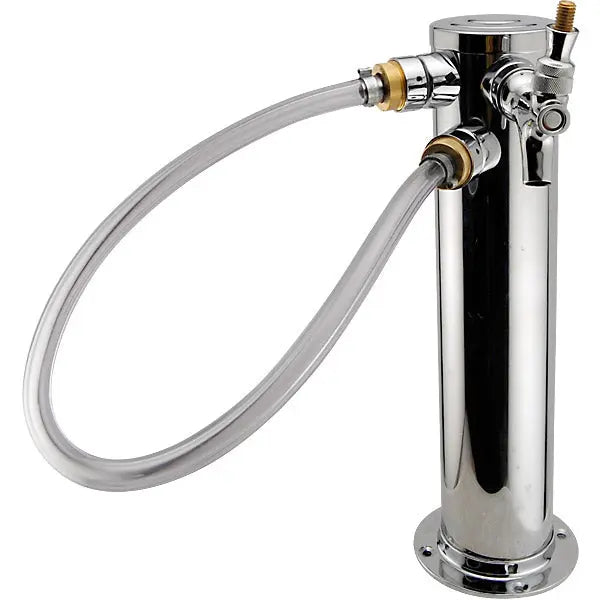
Electric recirculating pumps — continuously circulate cleaner through lines for more thorough cleaning with less labor; recommended for long draw systems and high-volume operations
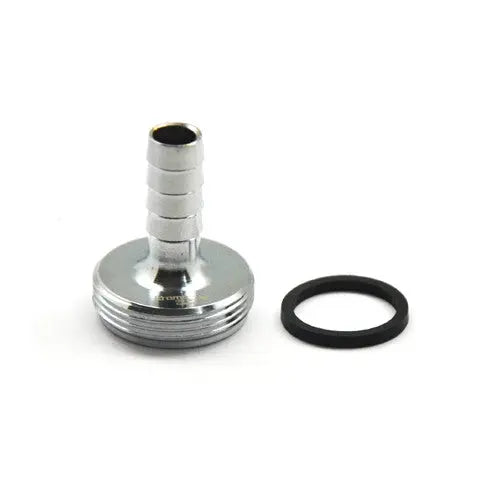
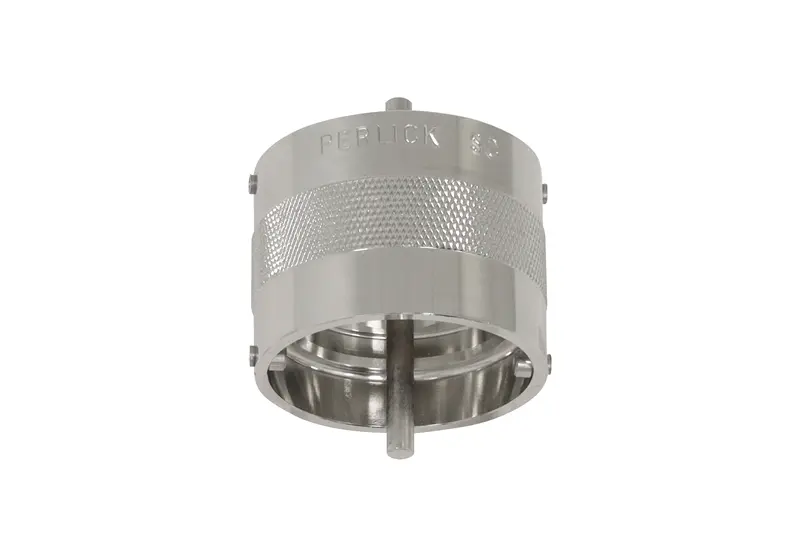
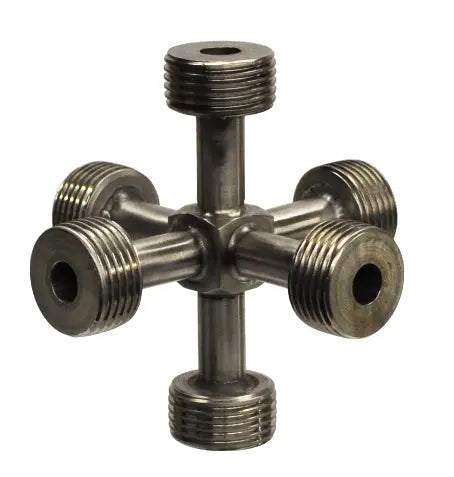
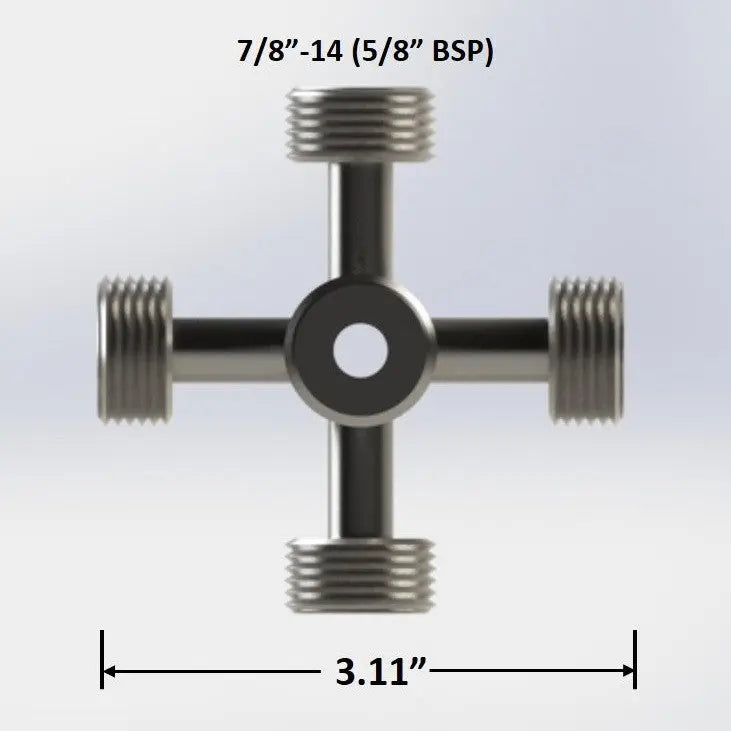
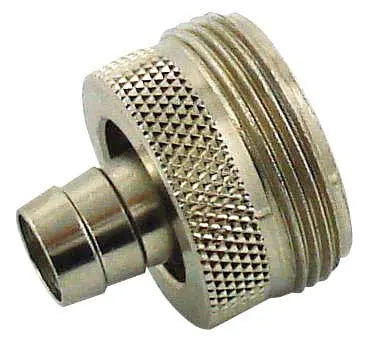
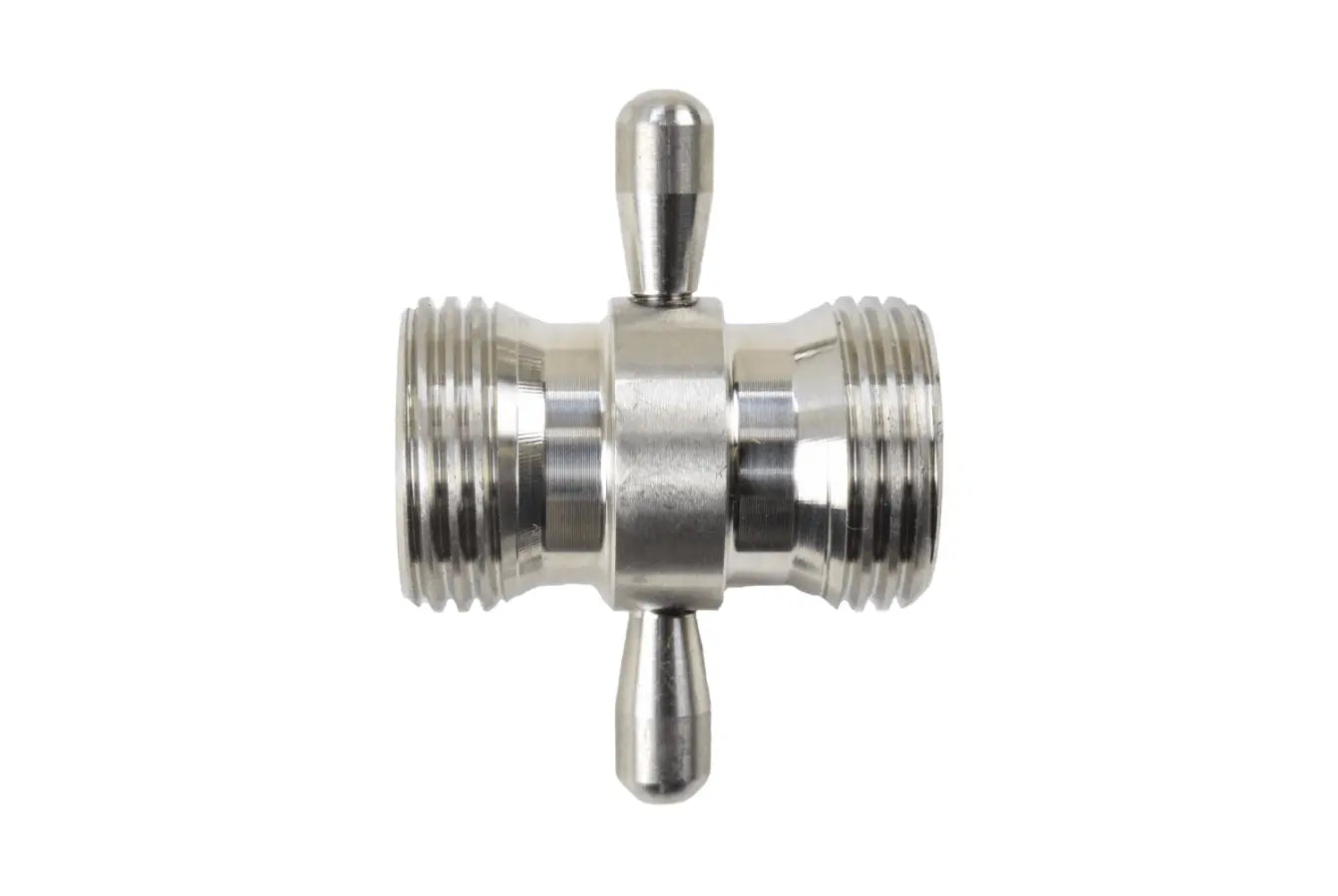
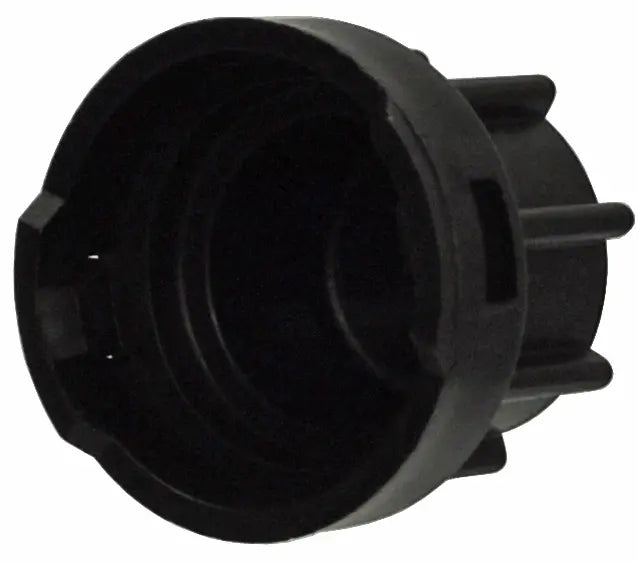
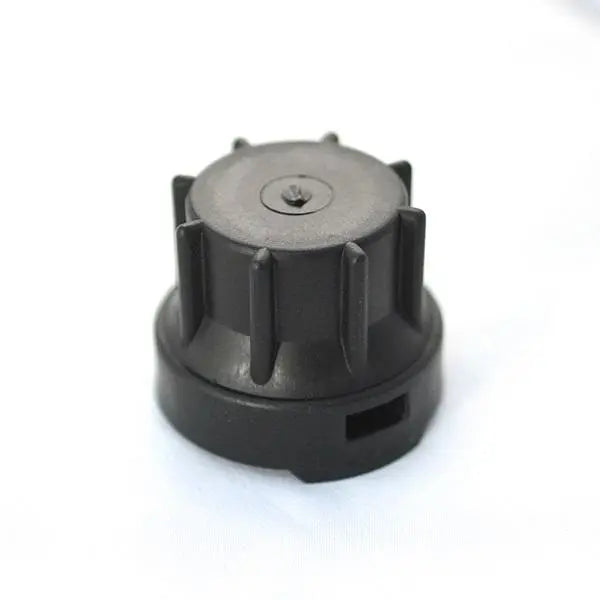
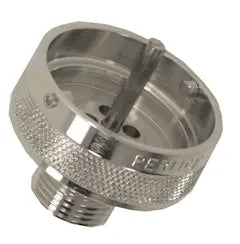
Cleaning adaptors & components — faucet plugs, coupler adaptors, and fittings for connecting cleaning equipment to your specific system configuration
Cleaning Kits
Direct draw cleaning kits — everything needed to clean a direct draw or kegerator system; includes cleaner, can, and adaptors
Economy cleaning kits — budget-friendly starter kits for operators setting up a basic cleaning program
The Cleaning Process
Alkaline clean — circulate or push alkaline cleaner through lines; soak 15–20 minutes; flush with water
Acid clean — follow with acid cleaner periodically to remove beer stone; flush thoroughly
Sanitize — apply sanitizer as final step; do not rinse after sanitizing
Brush clean faucets — disassemble and brush-clean faucets every two weeks alongside line cleaning
Need help setting up a cleaning program? Contact us — we work with bars and breweries on BA-compliant cleaning protocols regularly.
Need someone local to handle the work? Visit the Draft Service Network to find draft line cleaners and draft beer system installers, or to apply for a free listing if you service commercial draft systems.
Beer Line Cleaning FAQ
What's the difference between alkaline and acid line cleaners?
Alkaline (caustic) cleaner is your everyday cleaner — it breaks down yeast, protein, and hop resins and should run through the lines every 14 days per Brewers Association guidance (our Veracity™ C-DLC is a heavy-duty option built for this cycle). Acid cleaner targets beer stone (calcium oxalate) and mineral scale that alkaline cleaner can't dissolve; run it every 3–6 months as a supplemental deep clean, not a replacement for the alkaline cycle.
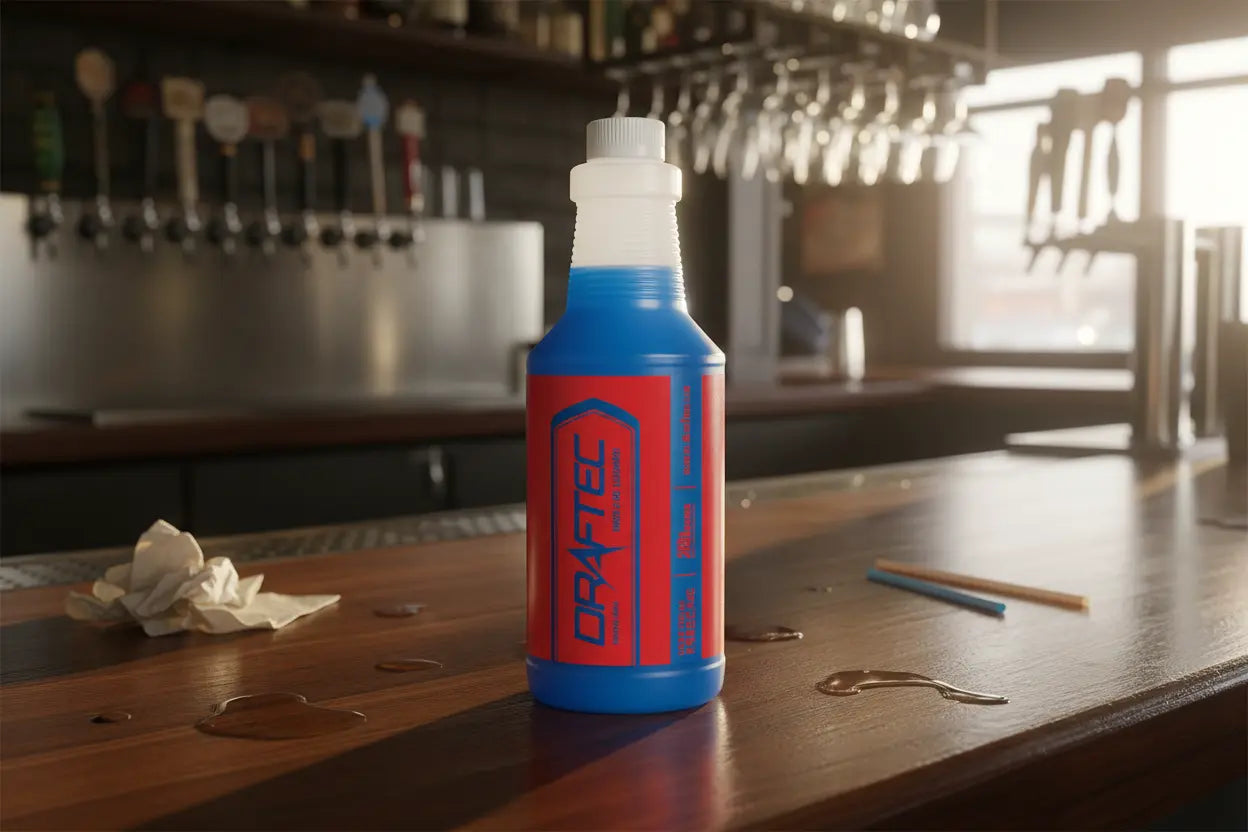
Why does Draftec Blue Dye cleaner turn the solution blue?
The blue color is a visual indicator: once you see solid blue coming through the line, you know cleaner has fully displaced the beer and reached the faucet. It takes the guesswork out of a manual clean and makes it easy for staff to confirm the job's actually done, not just started.
Do I need a no-rinse cleaner, or should I always rinse after cleaning?
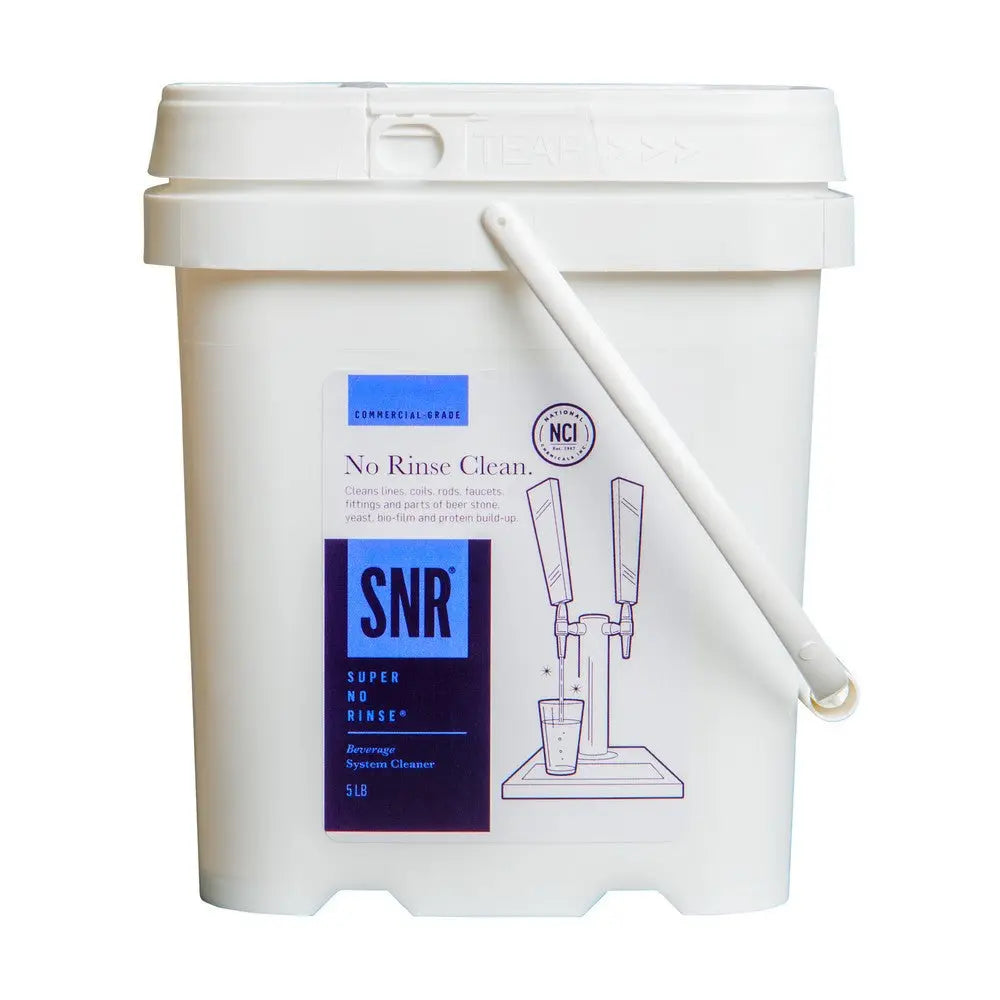
Standard alkaline and acid cleaners need a full water flush after soaking — residual cleaner in the line will affect beer flavor. No-rinse formulas (like our Powdered Super No-Rinse Line Cleaner) are designed to be safe at low residual concentration, which saves a step for high-volume operations, but always follow the product's label directions rather than assuming either method.
Liquid or powder cleaner — which should I use?
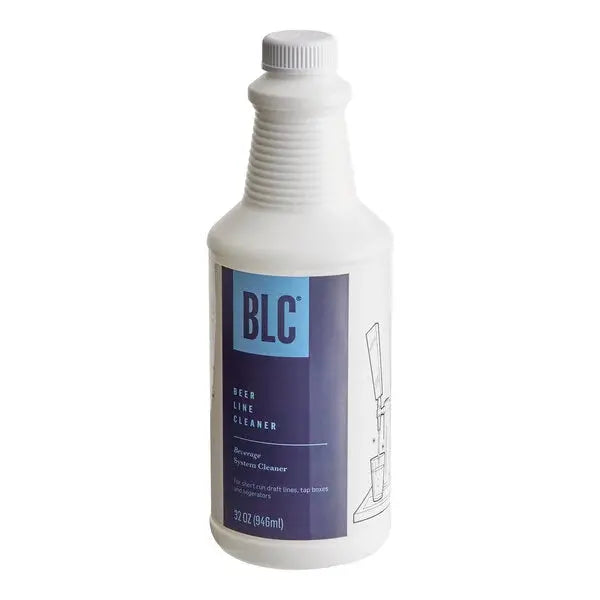
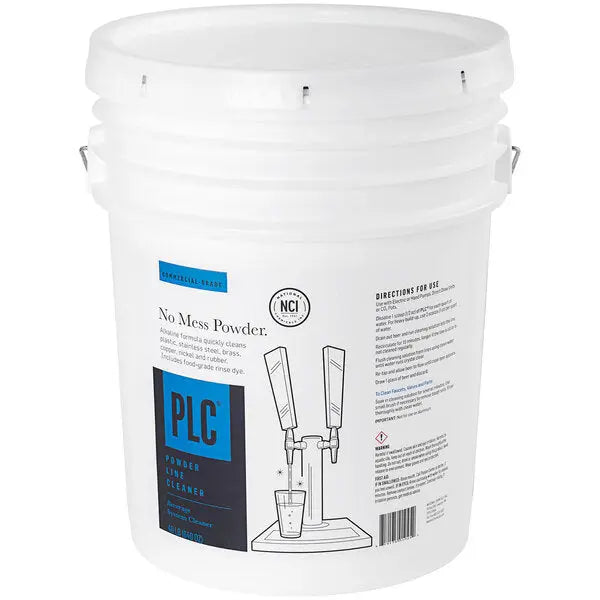
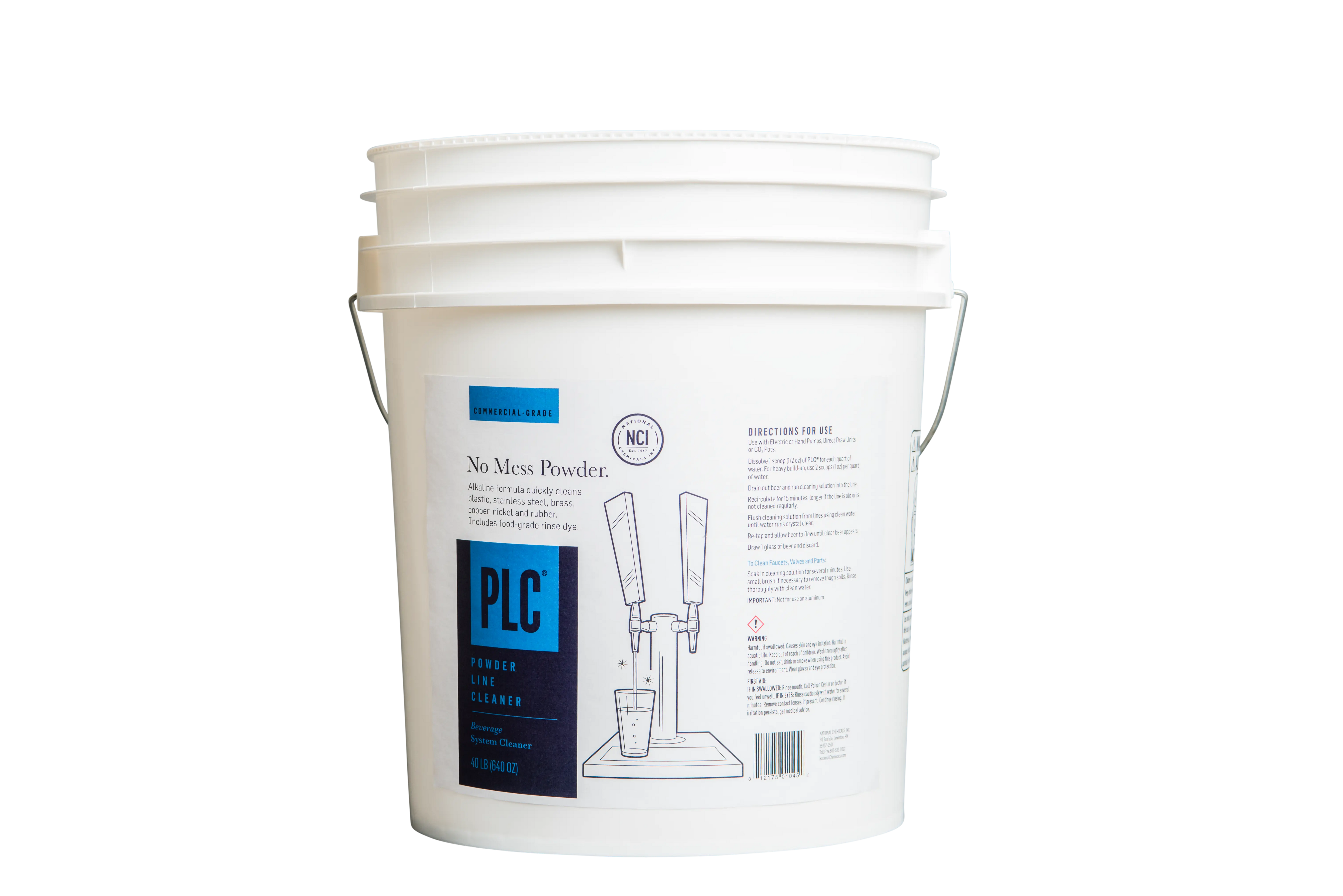
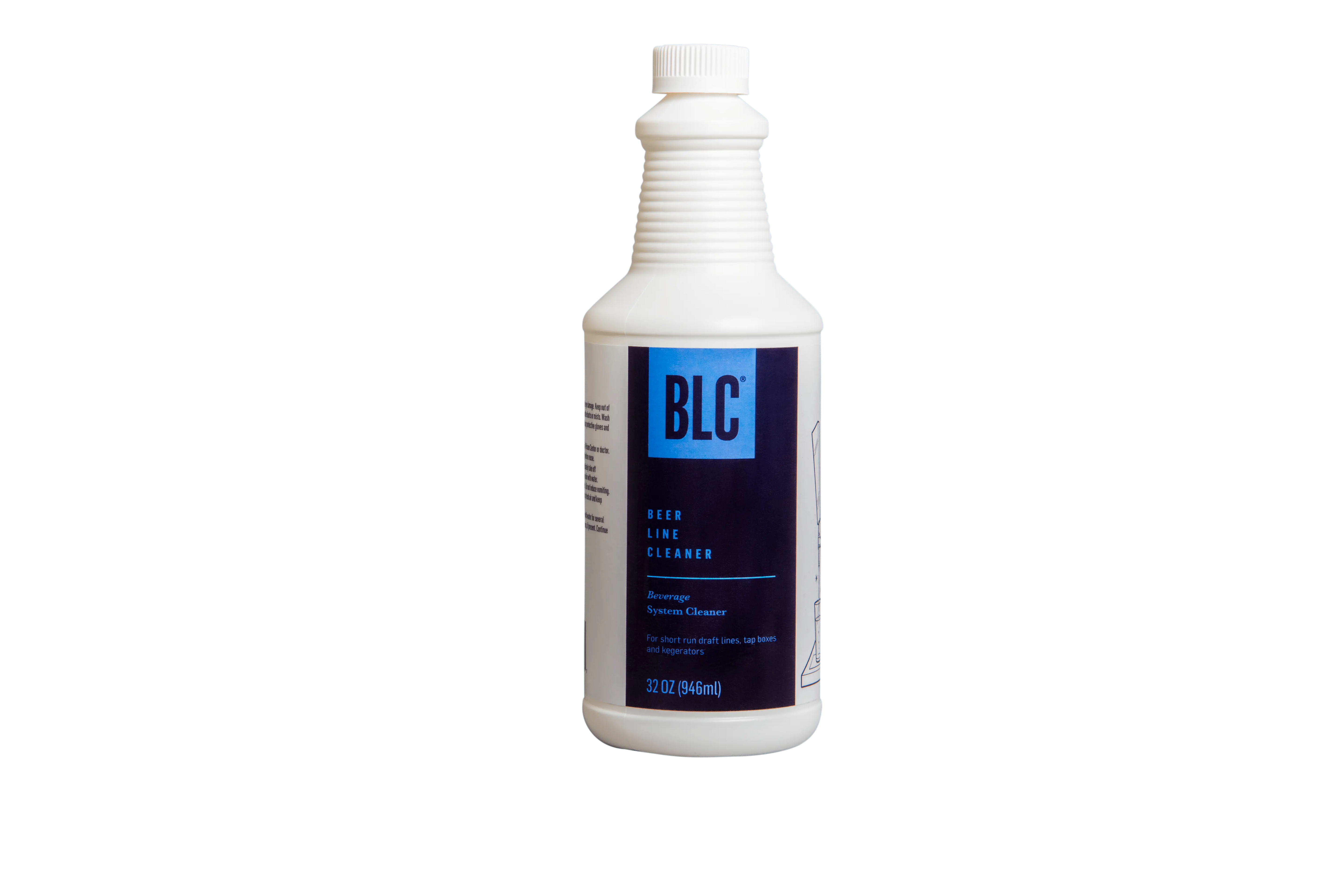
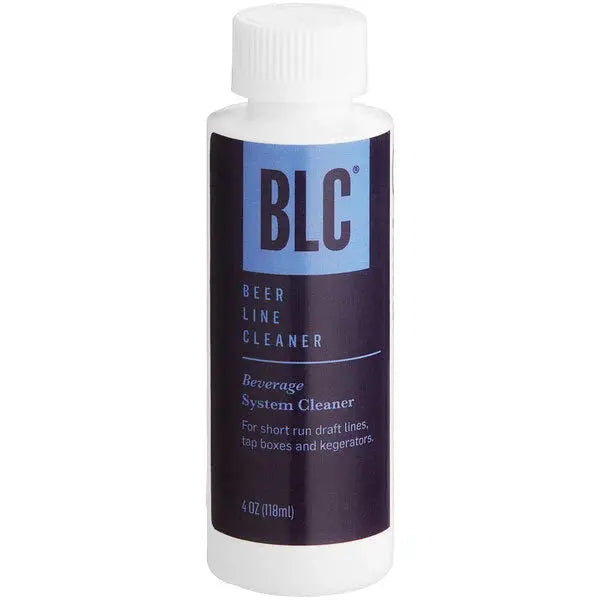
Liquid cleaners (like BLC Line Formula) are ready to use and convenient for single kegerators or direct draw systems with a cleaning can. Powder cleaners are more economical per cleaning at volume — a 40 lb pail covers far more cycles than the equivalent liquid — and make sense once you're running a recirculating pump program across multiple lines.
What happens if I skip line cleaning or stretch past 14 days?
Beer stone and biofilm build up fast — most operators see off-flavors, excess foam, and pour inconsistency within days of missing a cycle, and bacterial contamination risk climbs the longer it's skipped. The Brewers Association's 14-day standard exists because that's roughly the window before buildup starts affecting what's in the glass.
Also Cleaning Faucets or Couplers?
A full cleaning cycle includes more than the lines. See our Draft Beer Faucets collection if yours need replacing, and Keg Couplers for coupler-specific parts and cleaning adaptors.